

If you’ve ever heard pet advice that sounds right but feels questionable, you’re not alone. Pet myths spread quickly—and some can affect your pet’s health. In this pet myths myth-busting post, we’ll break down common misconceptions using real science, clear explanations, and practical examples.
Are Dogs Really Colorblind?
Dogs aren’t completely colorblind, even though many people believe this pet myth. They have dichromatic vision, which means they see a limited range of colors. Dogs primarily distinguish blues and yellows but struggle with reds and greens. For example, a red toy tossed onto green grass may blend together visually for your dog.

Do Cats Always Purr When They’re Happy?
Cats don’t purr only when they feel content, despite how comforting the sound may seem. Purring is actually a self-soothing behavior. Cats may purr when they feel stressed, frightened, or even in pain. A common example is a cat purring during a veterinary visit, which often signals anxiety rather than happiness.
According to the ASPCA, cats frequently purr while injured or recovering as a way to calm themselves.

Is Milk Actually Good for Cats?
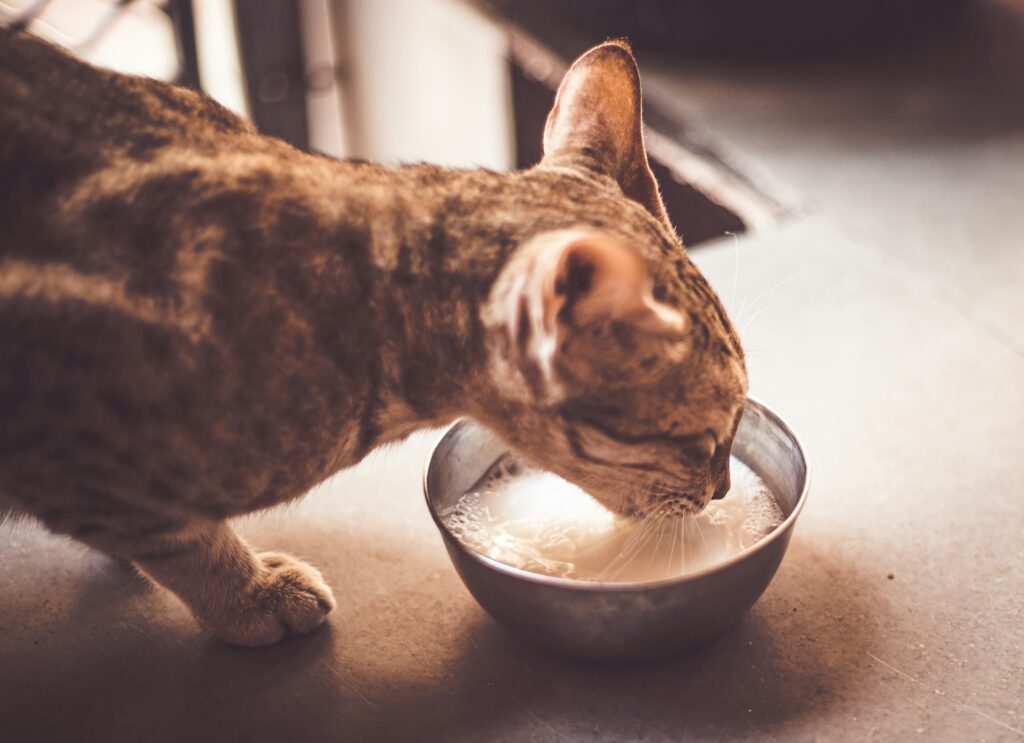
Milk isn’t a healthy treat for most cats, even though this pet myth has been around for generations. Most adult cats are lactose intolerant because they lack the enzyme needed to digest milk. When cats drink milk, it can lead to digestive upset such as diarrhea or vomiting.
The American Veterinary Medical Association (AVMA) reports that more than 60% of cats experience some level of lactose intolerance.
Do Pets Age Seven Years for Every Human Year?
The idea that pets age seven years for every human year is an oversimplified pet myth. Pets age at different rates depending on their species, breed, and size. Larger dogs tend to age more quickly than smaller dogs. For example, a one-year-old dog may be closer to a human teenager than a seven-year-old adult.
The AVMA emphasizes that aging varies widely based on breed and body size.
Can Pets Self-Regulate Their Food Intake?
Many pets can’t regulate how much they eat, even if food is always available. Some animals eat out of habit rather than hunger. Free-feeding often leads to overeating and weight gain. A common example is a dog that finishes every bowl simply because food is present.
The Association for Pet Obesity Prevention reports that over 50% of dogs and cats in the U.S. are overweight or obese.

Why Busting Pet Myths Matters
Pet myths can delay treatment, hide warning signs, and create preventable health problems. When pet owners replace misinformation with accurate guidance, pets benefit from earlier care, healthier habits, and better quality of life.
Trust Gardens Animal Hospital for Pet Care
At Gardens Animal Hospital, our veterinarians and staff combine decades of hands-on experience with evidence-based medicine. We stay current on veterinary research, prioritize clear communication, and treat every pet like family. When it comes to separating fact from fiction, you can trust our expertise, compassion, and commitment to your pet’s lifelong health. Book an appointment today.