

Just like people, pets age and go through noticeable changes. Senior pet care focuses on recognizing those changes early and adjusting daily routines, nutrition, and veterinary care to keep pets comfortable, active, and happy well into their golden years. With the right support, aging doesn’t have to mean slowing down—it can simply mean aging smarter.
This post is part of Gardens Animal Hospital’s blog collection:
🩺 Pet Health & Preventive Care Series
- Why Annual Wellness Exams Matter More Than You Think
- Senior Pet Care: What Changes as Pets Age?
- How Does Pet Weight and Health Affect Your Furry Family Member?
- Dental Disease in Pets: The Silent Health Threat
- Parasites 101: Fleas, Ticks, and Heartworm Prevention Made Simple
- Early Warning Signs of Illness Pet Owners Should Never Ignore
When Is a Pet Considered “Senior”?
Pets age faster than humans, but the definition of “senior” depends on size and species.
Generally:
- Small dogs and cats: senior around 7–10 years
- Medium to large dogs: senior around 6–8 years
- Giant breeds: senior as early as 5–6 years
For example, a 7-year-old cat may still act playful, while a 6-year-old Great Dane may already show signs of joint stiffness. Because aging looks different for every pet, senior pet care focuses more on health changes than birthdays.
What Physical Changes Are Common in Senior Pets?
As pets age, their bodies change in predictable ways, even if those changes appear subtle at first.
Common physical shifts include:
- Reduced mobility or stiffness after rest
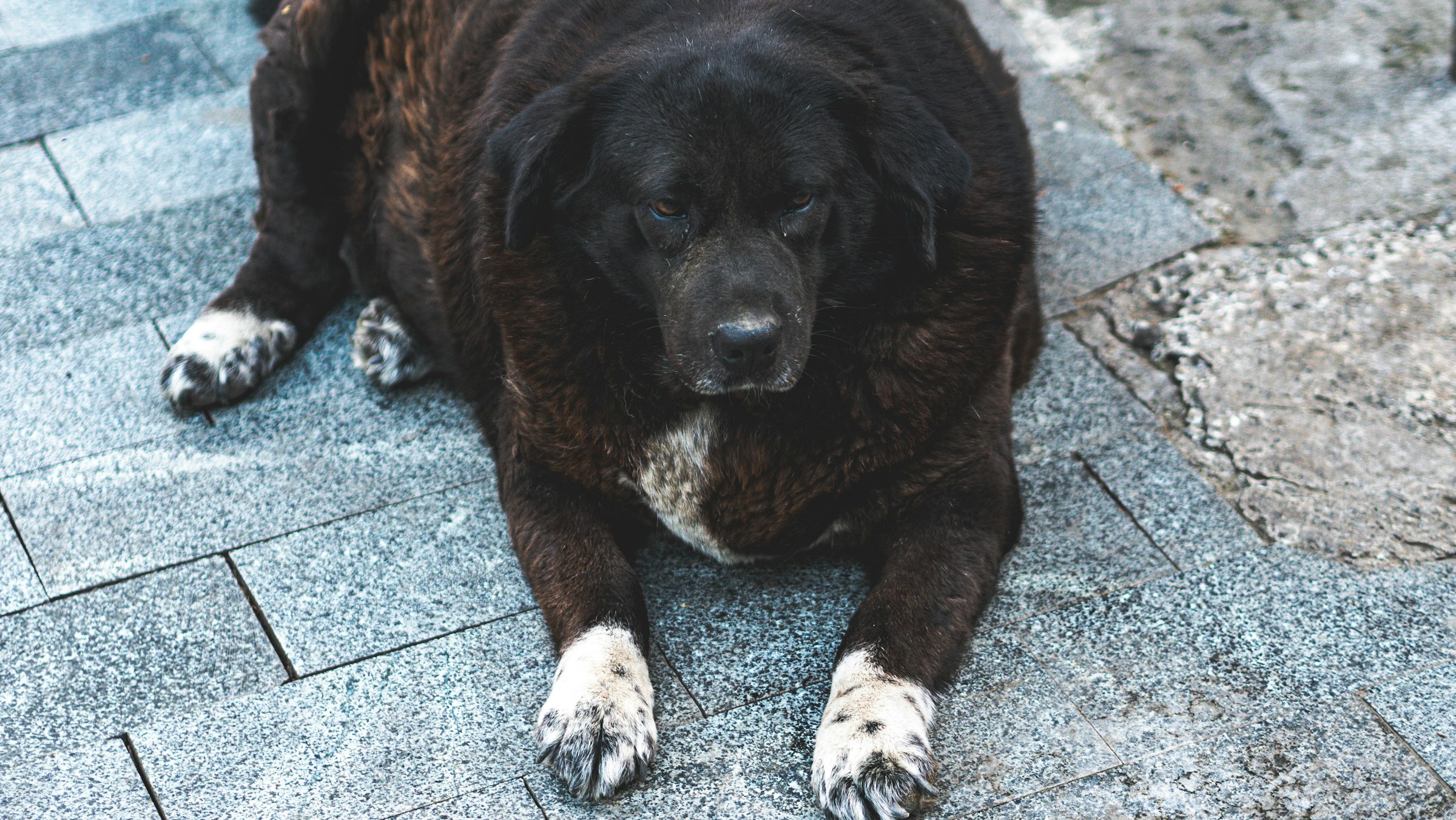
- Weight gain or muscle loss
- Cloudy eyes or declining vision
- Hearing loss
- Dental disease or bad breath
For instance, a dog that once jumped easily into the car may now hesitate or need help. These changes often signal arthritis or muscle weakness, which early intervention can help manage.
How Do Nutrition Needs Change With Age?
Senior pets process calories differently, so their diet often needs adjustment.
Older pets typically require:
- Fewer calories but higher-quality protein
- Added joint-support nutrients like omega-3 fatty acids
- Increased fiber for digestive health
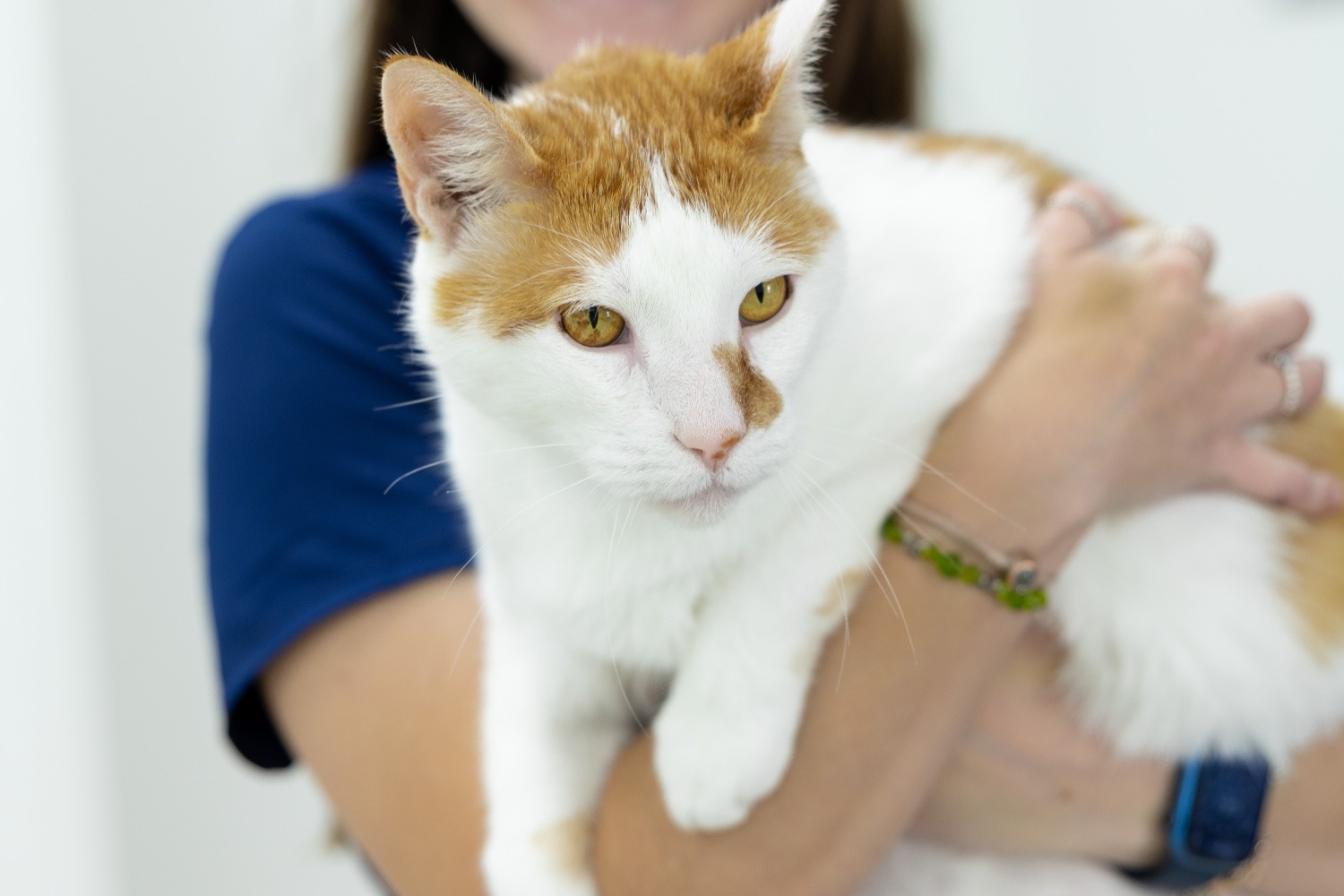
As an example, a senior cat that eats the same food as they did at age three may gain weight or lose muscle mass. A veterinarian-recommended senior diet can help maintain strength without excess calories.
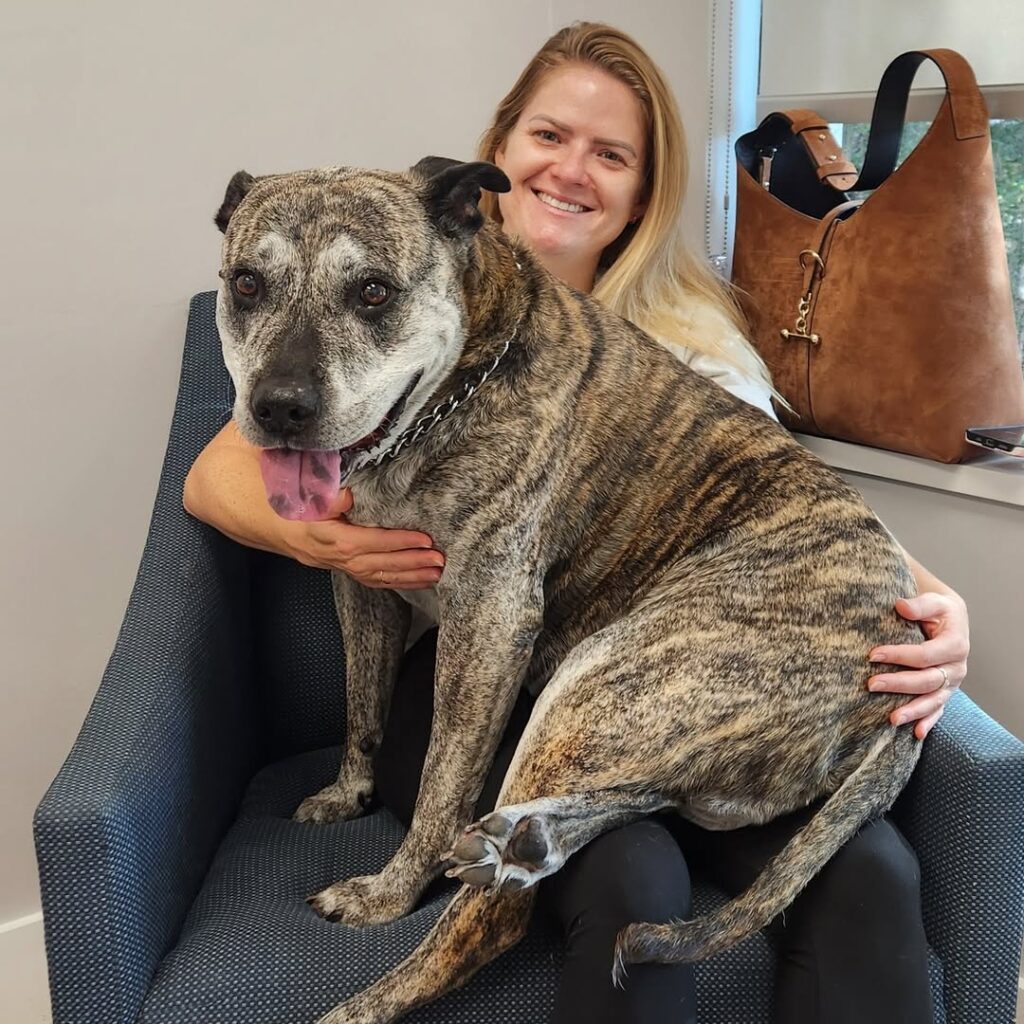
Why Are Wellness Exams More Important for Senior Pets?
Aging pets benefit from more frequent veterinary visits because many age-related conditions develop quietly.
According to the American Animal Hospital Association (AAHA):
- Pets age faster than humans, and one year in a senior pet’s life can equal several human years
- AAHA recommends twice-yearly wellness exams for senior pets to catch disease early
These visits often include:
- Bloodwork and urine testing
- Blood pressure checks
- Weight and mobility assessments
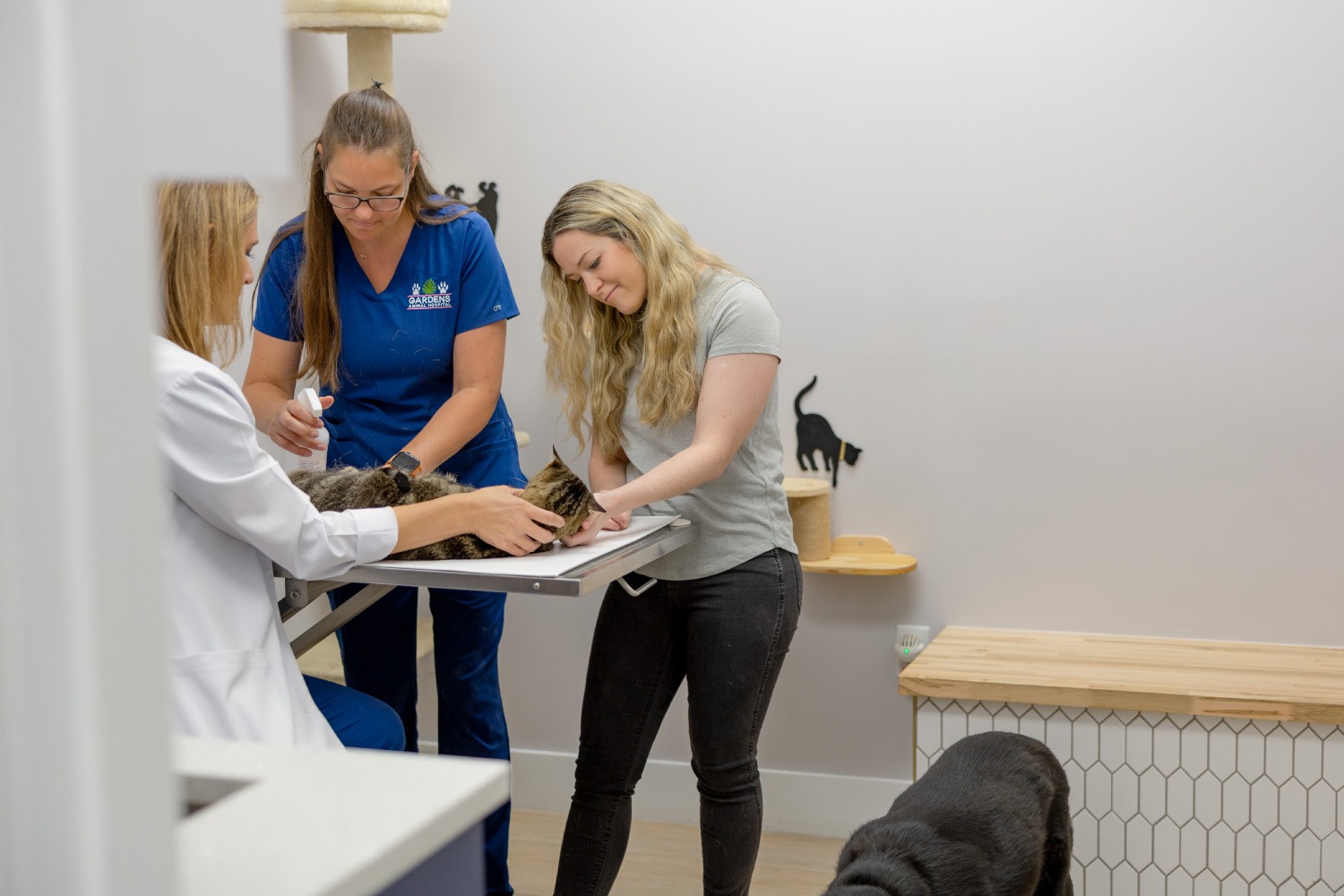
For example, routine bloodwork may detect early kidney disease in cats long before symptoms appear, allowing treatment to begin sooner and extend quality of life.
What Behavioral Changes Should Pet Owners Watch For?
Not all senior pet changes are physical—behavior often shifts too.
Watch for:
- Increased anxiety or confusion
- Changes in sleep patterns
- Reduced interest in play
- House soiling in previously trained pets
A senior dog pacing at night or a cat vocalizing more than usual may be showing signs of cognitive decline. With proper veterinary guidance, many of these changes can be managed effectively.
How Can You Support Your Senior Pet at Home?
Daily routines play a big role in successful senior pet care.
Helpful adjustments include:
- Adding orthopedic bedding
- Using ramps or pet stairs
- Keeping nails trimmed to improve traction
- Maintaining a consistent schedule
For example, placing food and water bowls on the main living level can reduce unnecessary strain for a pet with arthritis.
Senior Pet Care at Gardens Animal Hospital
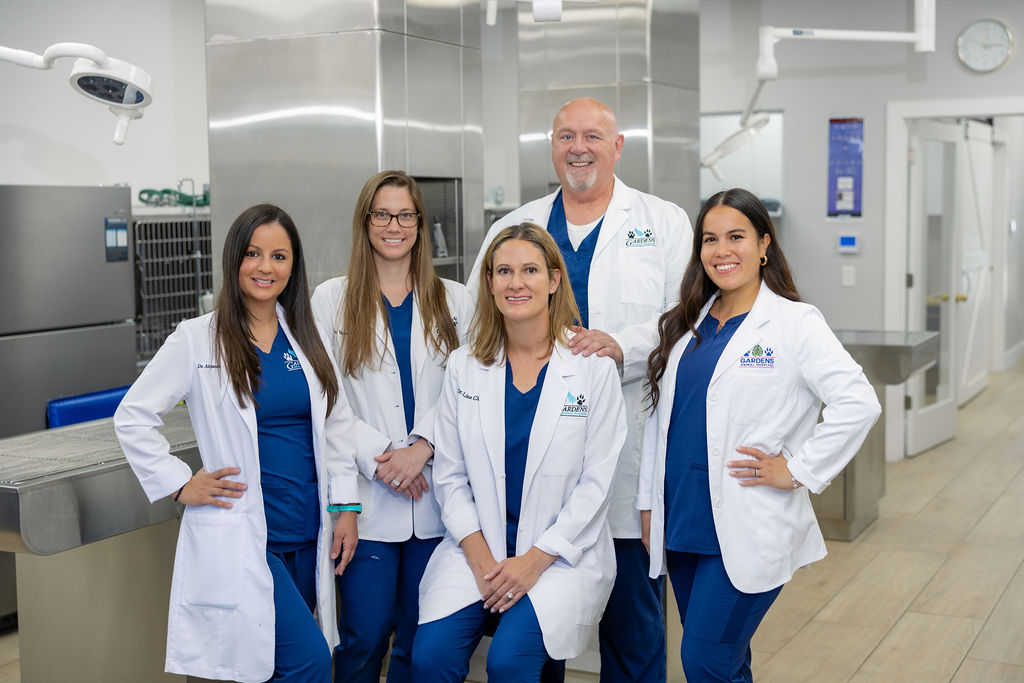
At Gardens Animal Hospital, senior pet care is more than a checklist—it’s a personalized partnership. Our experienced veterinary team understands how aging affects pets physically, emotionally, and medically. With advanced diagnostics, tailored wellness plans, and compassionate care, we help pet owners navigate each stage of aging with confidence. Families throughout the community trust Gardens Animal Hospital for knowledgeable guidance, clear communication, and a commitment to keeping senior pets comfortable and thriving for as long as possible.
Sources
- Senior Care for Dogs and Cats (https://www.aaha.org/your-pet/pet-owner-education/life-stage-guidelines/senior-care/)
- Pet Aging and Preventive Care (https://www.avma.org/resources-tools/pet-owners/petcare/senior-pets)