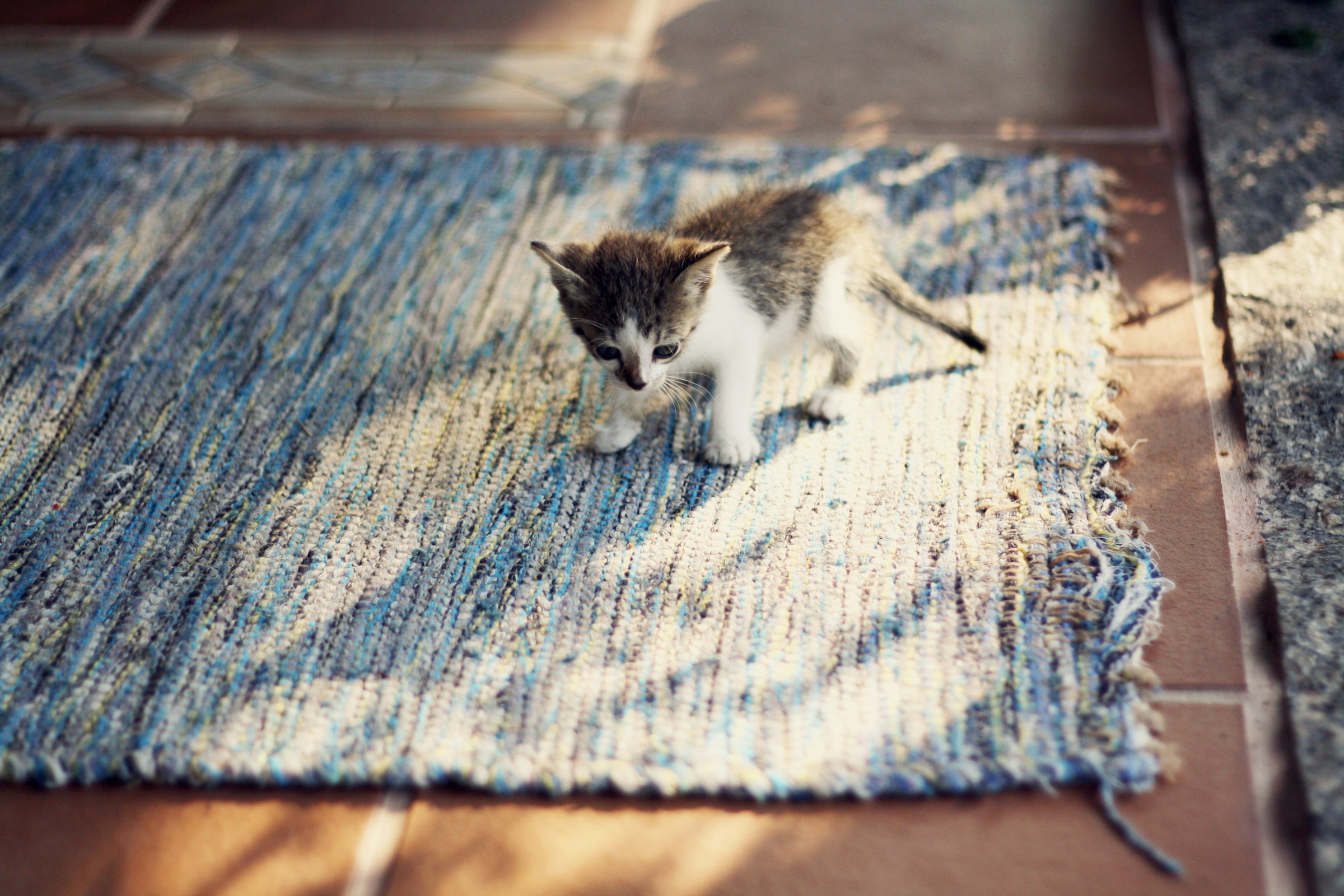


If your cat suddenly disappears under the bed or vanishes into a closet, it may feel like classic “cat behavior.” However, that change could signal a health issue. Cats hiding when sick is one of the most common—and most overlooked—warning signs veterinarians see. Because cats instinctively mask illness, noticing subtle shifts in behavior can make a life-saving difference.
This post is part of a Gardens Animal Hospital blog series:
🐕 Pet Behavior & Body Language
- Aggression vs. Fear in Pets: How to Tell the Difference
- Why Is My Cat Peeing Outside the Litter Box?
- Why Dogs Chew, Dig, or Bark Excessively
- 🌟 Understanding Pet Anxiety: Signs, Causes, and Solutions
- Behavioral Changes in Pets: What They Might Be Telling You
- Why Cats Hide When They’re Sick (and Why It Matters)
- What Your Dog’s Body Language Is Really Saying
Why Do Cats Hide When They’re Sick?
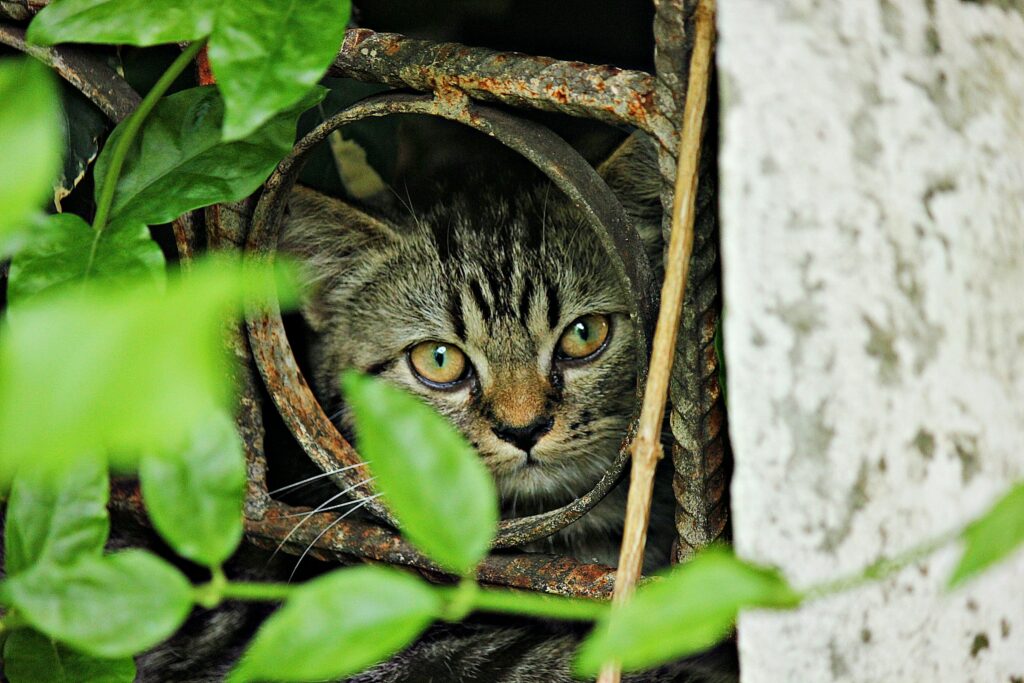
Cats hide when they’re sick because instinct tells them to. In the wild, showing weakness attracts predators. Even though your cat lives safely indoors, that survival wiring still runs the show.
Cats don’t fake being fine—they are very good at pretending nothing is wrong. As a result, hiding becomes a protective response rather than a personality quirk.
For example, a cat with dental pain may stop lounging in sunny spots and instead retreat to a quiet corner where no one can touch their sore mouth.
How Does Hiding Protect a Sick Cat?
Hiding helps cats conserve energy, avoid stress, and reduce perceived threats. When illness or pain strikes, their bodies prioritize rest over interaction.
That instinct shows up in behaviors like:
- Choosing dark or enclosed spaces
- Avoiding family members or other pets
- Skipping favorite routines, such as greeting you at the door
For instance, a cat with a urinary tract issue may hide in a bathroom or laundry room because the space feels quiet and contained while they feel vulnerable.
When Does Hiding Become a Red Flag?
Occasional hiding happens. However, persistent or sudden hiding often points to illness and deserves attention.
Watch for hiding paired with:
- Reduced appetite or thirst
- Weight loss
- Litter box changes
- Grooming less—or excessively
- Growling or hissing when approached
According to the American Association of Feline Practitioners, cats often show illness through behavioral changes rather than obvious physical symptoms, which leads to delayed veterinary care in many cases (AAFP, https://catvets.com).
As an example, arthritis affects up to 90% of cats over age 12, yet many go untreated because cats quietly withdraw instead of limping (Journal of Feline Medicine and Surgery, https://journals.sagepub.com).
Why Is Early Detection So Important?
Catching illness early improves outcomes, reduces treatment costs, and minimizes discomfort. Since cats rarely “act sick,” behavior changes often become the first and best clue.
Early detection allows veterinarians to:
- Diagnose conditions before they worsen
- Manage chronic pain more effectively
- Prevent emergency situations
For example, early kidney disease may only show up as subtle hiding and decreased appetite. When caught early, diet and medication can significantly slow progression.
What Should You Do If Your Cat Is Hiding?
Start by trusting your instincts. You know your cat’s normal patterns better than anyone.
Take action by:
- Noting when the hiding started
- Tracking eating, drinking, and litter box habits
- Avoiding forced interaction, which increases stress
- Scheduling a veterinary exam if hiding lasts more than 24–48 hours
For instance, if your social cat suddenly avoids everyone for two days, that shift alone justifies a checkup—even if they still eat a little.
How Can You Tell Normal Cat Behavior From Illness?
Context matters. Some cats love solitude. However, illness-driven hiding usually shows up as a change, not a lifelong trait.
Ask yourself:
- Is this new or more intense than usual?
- Did it start suddenly?
- Did anything else change at the same time?
A normally affectionate cat that stops sleeping on your bed and starts hiding behind furniture likely needs medical attention.
Why Trust Gardens Animal Hospital With Your Cat’s Care?
At Gardens Animal Hospital, cats aren’t “small dogs”—they’re unique patients with unique needs. Our veterinary team has years of hands-on experience recognizing subtle feline health changes, including behavior shifts like hiding.
We combine:
- Fear-Free handling techniques
- Modern diagnostic tools
- Evidence-based feline medicine
- Compassionate, cat-focused care
Because cats hide illness so well, we take the time to listen, observe, and investigate thoroughly. Pet parents across the area trust Gardens Animal Hospital to catch problems early and care for cats at every life stage with expertise and heart. Book an appointment today.
Sources
- Behavior Changes in Cats Can Signal Illness (https://catvets.com)
- Recognizing Pain in Cats (https://journals.sagepub.com)
- Signs Your Cat May Be Sick (https://www.aspca.org)