

If you’ve ever wondered about the benefits of spaying and neutering pets, you’re not alone. Many pet owners ask whether the procedure truly helps their dog or cat live a longer, healthier life. The short answer is yes—and the advantages go far beyond preventing surprise litters.
Spaying and neutering support long-term health, improve behavior, and even help reduce pet overpopulation. When you understand how these procedures affect your pet’s body and well-being, the decision becomes much easier.
Let’s explore why veterinarians consistently recommend this simple but powerful step in responsible pet care.
What Does Spaying or Neutering Actually Mean?
Spaying and neutering are surgical procedures that prevent pets from reproducing. Veterinarians remove reproductive organs during the procedure, which eliminates the ability to produce puppies or kittens.
- Spaying refers to removing the ovaries and uterus in female pets.
- Neutering refers to removing the testicles in male pets.
Because these organs produce reproductive hormones, the procedure also reduces behaviors driven by those hormones.
For example, a male dog that constantly tries to roam the neighborhood searching for mates may become calmer and more focused on home life after neutering.
How Do Spaying and Neutering Improve Long-Term Health?
Spaying and neutering reduce the risk of several serious health problems. By removing reproductive organs, veterinarians also remove tissues where certain diseases commonly develop.
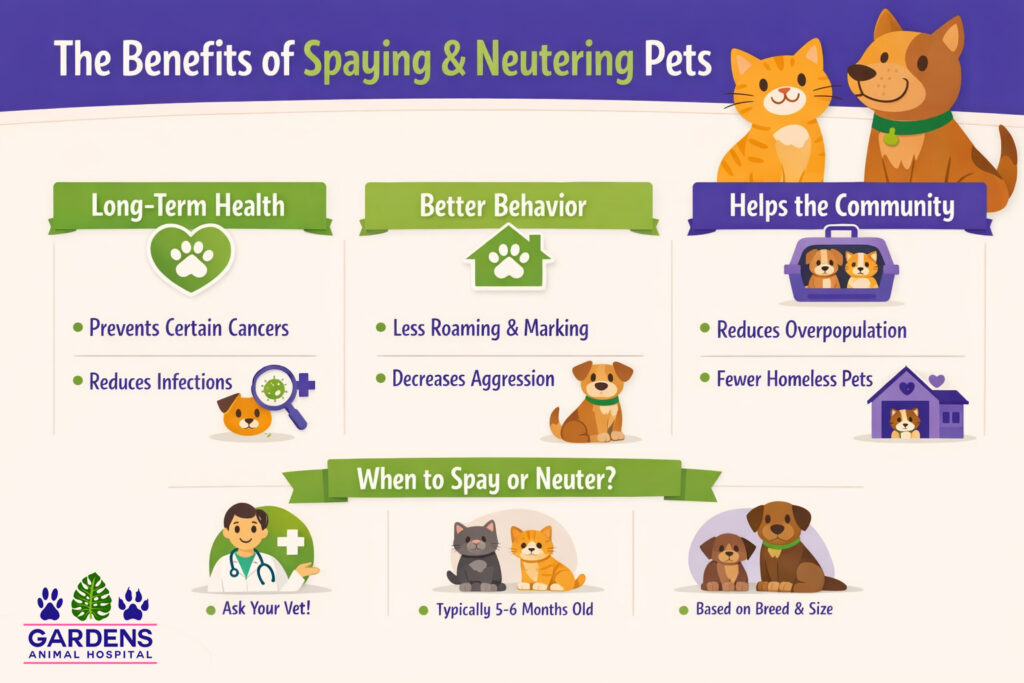
Key health benefits of spaying and neutering pets include:
- Reduced risk of mammary cancer in female pets
- Prevention of uterine infections (pyometra) in females
- Elimination of testicular cancer in males
- Lower risk of prostate problems in male dogs
- Decreased hormone-driven stress and aggression
For instance, a female dog spayed before her first heat cycle has a dramatically lower risk of developing mammary tumors later in life. That simple early procedure can prevent costly and dangerous medical treatments down the road.

How Does It Improve Behavior at Home?
Hormones influence many behaviors that pet owners find challenging. Once those hormones decrease, pets often become easier to manage and more focused on their families.
Common behavioral improvements include:
- Less roaming or escape attempts
- Reduced mounting behavior
- Decreased urine marking
- Lower aggression related to mating instincts
- Fewer vocalizations during heat cycles
For example, unneutered male cats frequently spray strong-smelling urine to mark territory. After neutering, many cats stop this behavior or greatly reduce it.
Why Does Spaying and Neutering Help the Community Too?
Beyond individual pet health, spaying and neutering play a huge role in preventing pet overpopulation. When fewer unplanned litters occur, shelters can better care for the animals already waiting for homes.
Consider these statistics:
- About 5.8 million cats and dogs entered shelters in the United States in 2025.
- Approximately 607,000 animals were euthanized in U.S. shelters in 2024, despite strong adoption efforts.
Spaying and neutering dramatically reduce these numbers by preventing unwanted litters before they happen.
A single unspayed female cat and her offspring can produce hundreds of kittens over several years if breeding continues unchecked. Preventing even one litter can make a meaningful difference in local shelter populations.
When Is the Best Time to Spay or Neuter a Pet?
Veterinarians usually recommend performing the procedure during early life, but the ideal timing depends on the species, breed, and overall health of the animal.
Your veterinarian will consider several factors:
- Age and size of your pet
- Breed-specific health considerations
- Current health status
- Lifestyle and risk of accidental breeding
For example, many cats undergo spay or neuter surgery around five to six months of age. Some large-breed dogs may benefit from slightly later timing to support healthy growth.
A veterinarian can help determine the best schedule for your specific pet.
Is the Procedure Safe?
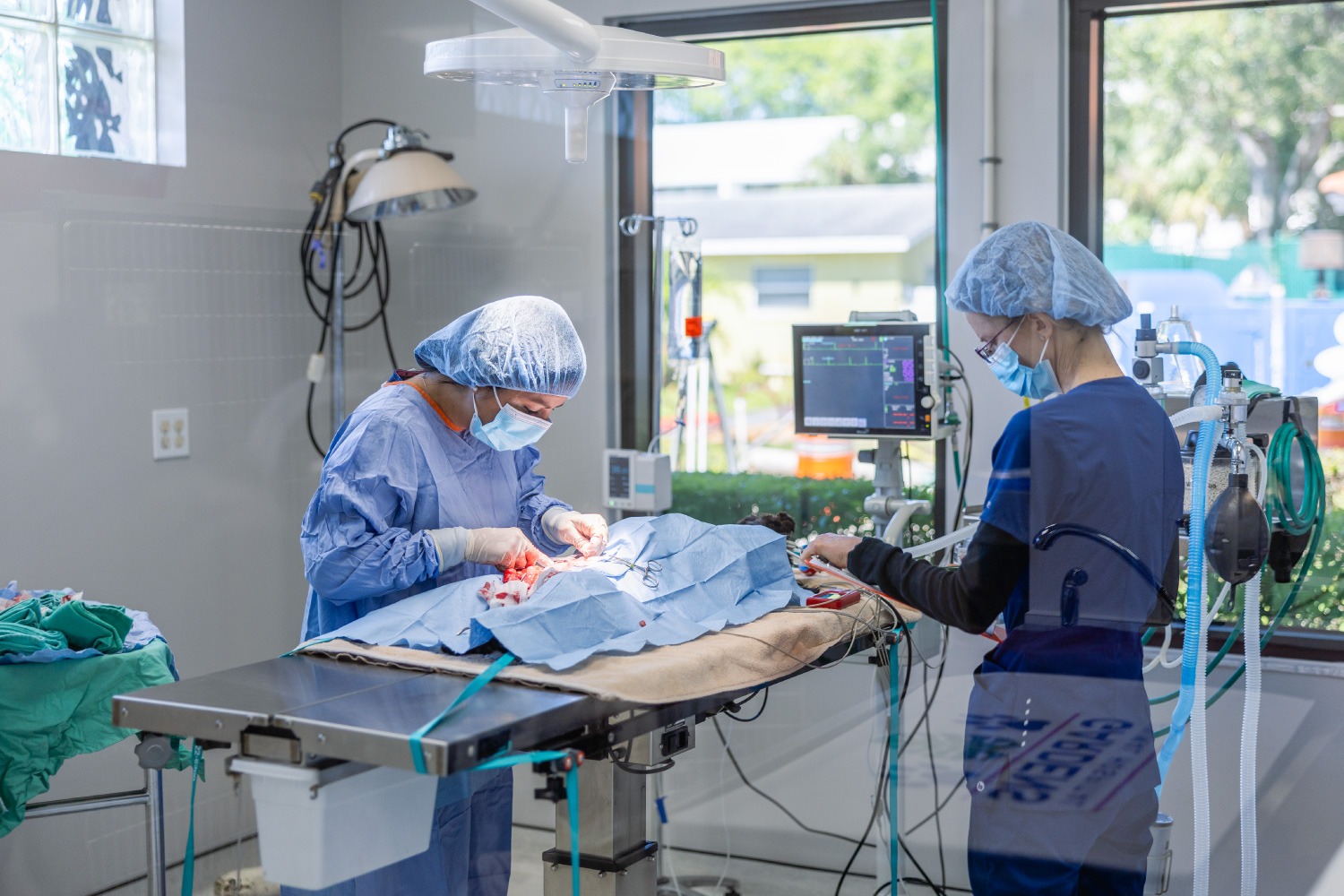
Spaying and neutering rank among the most common veterinary surgeries performed today. Modern anesthesia, monitoring equipment, and surgical techniques make the procedure very safe for healthy animals.
Typical recovery involves:
- A short surgical procedure
- Same-day or next-day discharge
- About 7–14 days of reduced activity
- Simple home monitoring
For example, many pets return to normal energy levels within just a few days while the incision heals.
Why Do Veterinarians Strongly Recommend It?
Veterinary professionals recommend spaying and neutering because the procedures combine preventive medicine, behavioral benefits, and community responsibility.
When pet owners choose these procedures, they:
- Protect their pet’s long-term health
- Reduce the risk of certain cancers and infections
- Improve household harmony
- Help decrease shelter overcrowding
In other words, it’s one of the most impactful steps you can take for your pet’s lifelong wellness.
Partner With a Trusted Veterinary Team
At Gardens Animal Hospital, our veterinary team combines experience, compassion, and modern medical knowledge to help pets live healthier lives. We perform spay and neuter procedures using safe anesthesia protocols, careful monitoring, and individualized care for every patient.
Our doctors and staff work closely with pet owners throughout Palm Beach County to explain treatment options, answer questions, and ensure pets recover comfortably at home. With years of hands-on veterinary experience and a strong commitment to preventive care, Gardens Animal Hospital provides trusted guidance for one of the most important decisions in your pet’s health journey.
Our team would be happy to discuss the benefits of spaying and neutering pets and to help you choose the best timing for your pet.

Sources
Shelter Animals Count 2025 Annual Data Report (https://www.shelteranimalscount.org/2025-report/)
ASPCA Shelter Intake and Surrender Statistics (https://www.aspca.org/helping-people-pets/shelter-intake-and-surrender)