

When your pet isn’t acting like themselves, it’s natural to worry. Fortunately, veterinarians follow a structured, thorough process to identify what’s wrong. Understanding how veterinarians diagnose illness in pets can help you act quickly, ask better questions, and support your pet’s recovery.
Let’s break down exactly how the diagnostic process works—from your first observation at home to advanced testing in the clinic.
What Are the First Signs Your Pet Might Be Sick?
Before a veterinarian ever sees your pet, the diagnostic process often starts with you.
Common early warning signs include:
- Changes in appetite or water intake
- Lethargy or decreased activity
- Vomiting or diarrhea
- Weight loss or gain
- Behavioral changes (hiding, aggression, anxiety)
These symptoms may seem minor, but they often signal underlying issues. For example, reduced appetite could indicate anything from dental pain to kidney disease.
Real-world example: A dog that suddenly stops eating for 24–48 hours may need prompt evaluation to rule out gastrointestinal obstruction.
How Do Veterinarians Begin Diagnosing Illness in Pets?
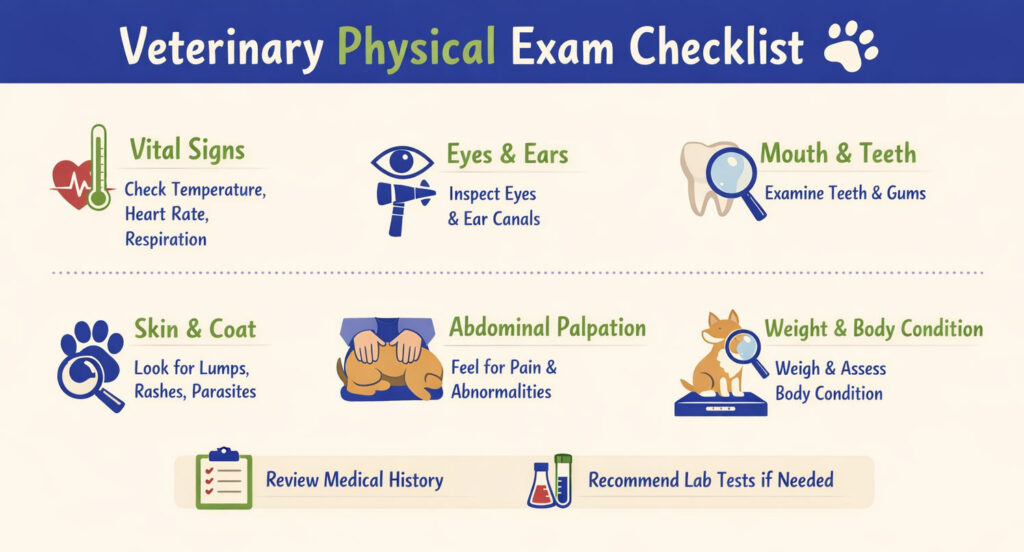
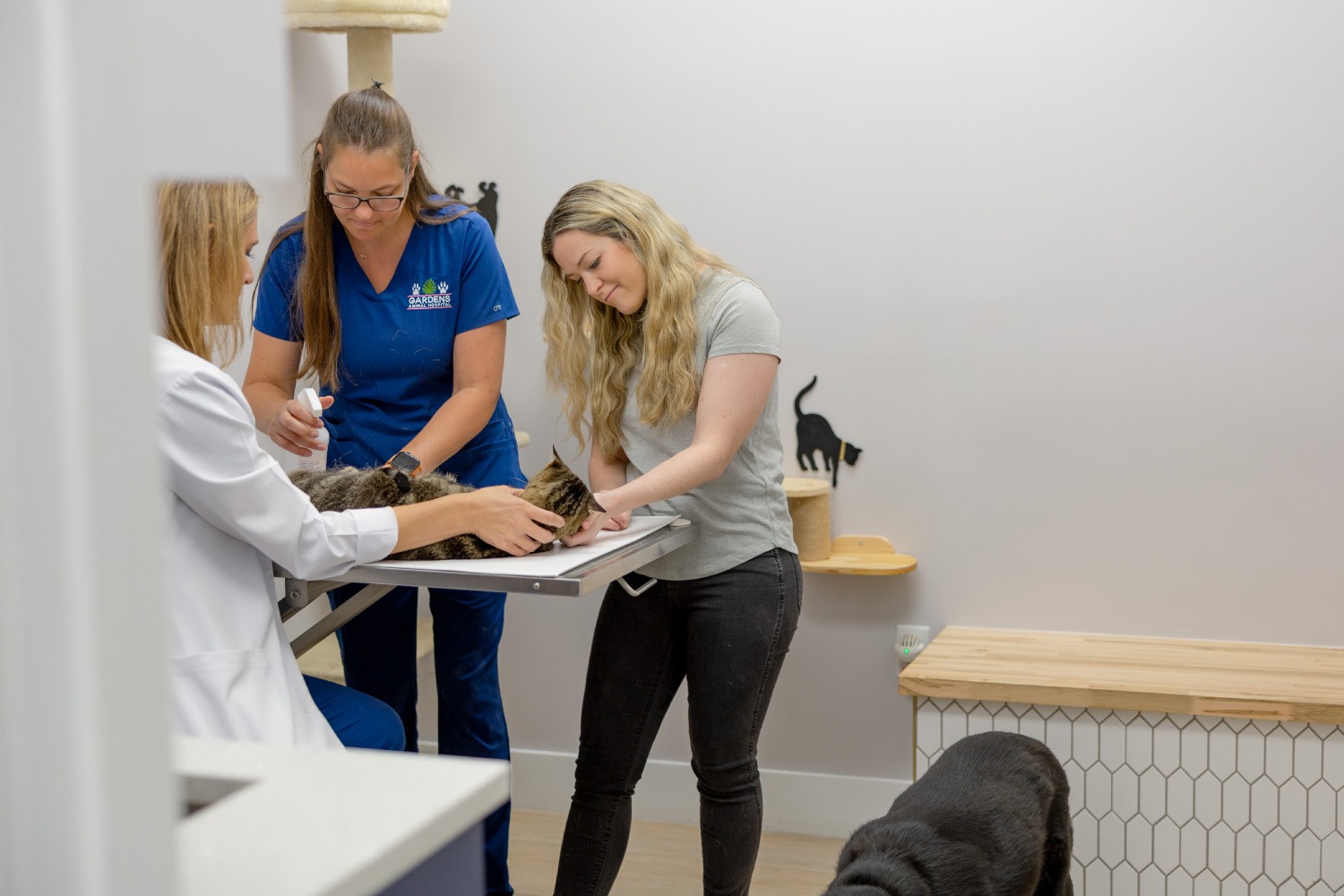
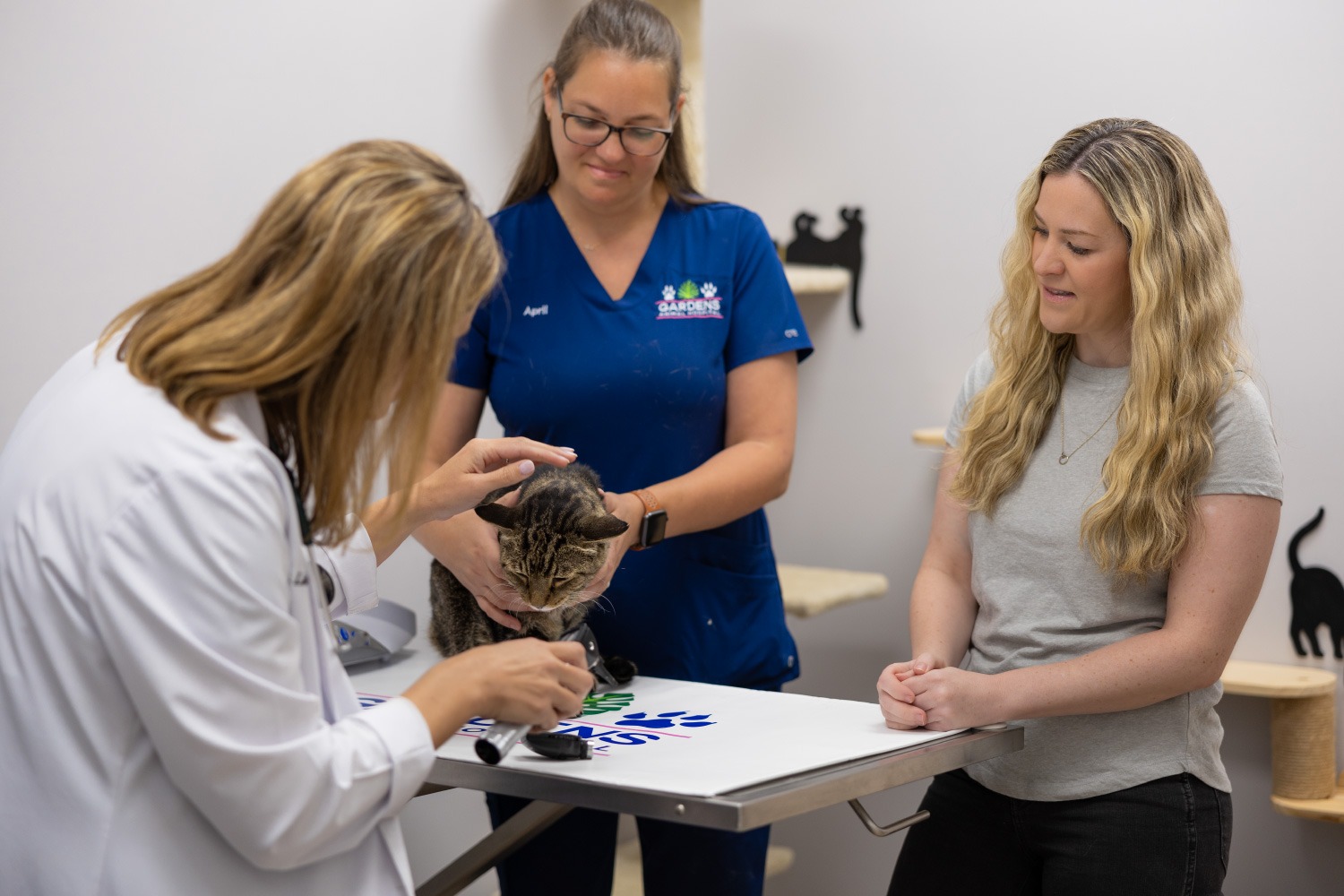
The first step in how veterinarians diagnose illness in pets is a comprehensive physical exam and medical history.
What happens during the exam?
- Temperature, heart rate, and respiration are checked
- Eyes, ears, mouth, and skin are evaluated
- The abdomen is gently palpated
- Weight and body condition are assessed
This hands-on evaluation helps identify visible or physical abnormalities. Subtle clues—like pale gums or abdominal discomfort—can point to serious conditions.
Example: A cat with rapid breathing and weight loss may prompt further testing for heart or thyroid disease.
Why Is Your Pet’s Medical History So Important?
Veterinarians rely heavily on the information you provide.
Expect questions like:
- When did symptoms start?
- Has your pet eaten anything unusual?
- Any recent travel or environmental changes?
- Are vaccinations up to date?
History helps narrow down possible causes. Many illnesses share similar symptoms, so timing and lifestyle matter.
Example: A dog with diarrhea after boarding may suggest stress or infection exposure.
What Diagnostic Tests Do Vets Use?
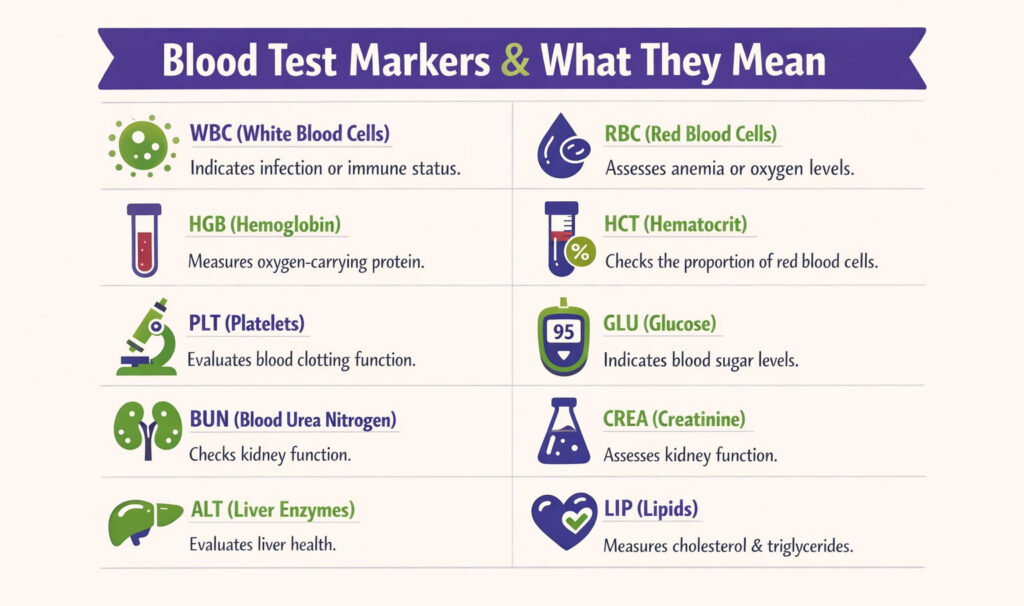
If the physical exam raises concerns, veterinarians move to diagnostic testing.
Common diagnostic tools include:
1. Blood Tests
- Evaluate organ function (liver, kidneys)
- Detect infections or inflammation
- Identify conditions like diabetes
📊 Statistic: According to the American Animal Hospital Association, routine bloodwork can detect underlying disease before symptoms appear in up to 20–25% of pets.
Example: Elevated kidney values in a senior cat can confirm chronic kidney disease early.
2. Urinalysis
- Assesses kidney function
- Detects urinary tract infections
- Identifies crystals or stones
Example: A dog straining to urinate may have bladder stones or infection.
3. Imaging (X-rays & Ultrasound)
- X-rays show bones, lungs, and large masses
- Ultrasound evaluates soft tissues and organs
Example: An X-ray may reveal a swallowed object, while ultrasound can detect tumors.
4. Fecal Exams
- Detect parasites like worms or protozoa
Example: Puppies with diarrhea often undergo fecal testing to rule out parasites.
5. Specialized Tests
- Allergy testing
- Hormone testing (thyroid, cortisol)
- Biopsies
Example: Skin allergies may require testing to identify environmental triggers.
How Do Veterinarians Put All the Pieces Together?
Diagnosis isn’t based on just one test—it’s a combination of findings.
The process typically looks like this:
- Identify symptoms
- Perform physical exam
- Gather medical history
- Run targeted diagnostic tests
- Rule out possibilities (differential diagnosis)
- Confirm the most likely condition
This step-by-step approach ensures accuracy. Many conditions overlap, so vets must systematically eliminate possibilities.
Example: Vomiting could stem from diet issues, infection, toxins, or organ disease—testing helps pinpoint the cause.
When Should You Take Your Pet to the Vet?
Knowing when to seek care is critical.
Contact your veterinarian if your pet:
- Stops eating for more than 24 hours
- Has repeated vomiting or diarrhea
- Shows signs of pain or distress
- Has difficulty breathing
- Experiences sudden behavior changes
Explanation: Early intervention improves outcomes.
Context: Delaying care can allow conditions to worsen.
Example: A mild limp could become a serious joint issue if ignored.
What Can Pet Owners Do at Home to Help?
While diagnosis requires a veterinarian, you can play a key role.
Practical steps you can take:
- Monitor eating, drinking, and bathroom habits
- Keep a symptom journal
- Take photos or videos of unusual behavior
- Avoid giving human medications
- Schedule regular wellness exams
Detailed observations help your vet diagnose faster. Small details often lead to big insights.
Example: Recording a coughing episode can help distinguish respiratory vs. cardiac issues.
Frequently Asked Questions
How long does it take to diagnose a pet’s illness?
It depends on the condition. Some diagnoses happen during the exam, while others require lab results that take 1–3 days.
Are diagnostic tests safe for pets?
Yes. Most tests, like bloodwork and imaging, are minimally invasive and routinely performed.
Why does my vet recommend multiple tests?
Because many conditions share symptoms, multiple tests help rule out possibilities and ensure an accurate diagnosis.
Can I wait and see if my pet gets better?
Mild symptoms may resolve, but persistent or worsening signs should always be evaluated by a veterinarian.
How much do diagnostic tests cost?
Costs vary widely depending on the test. Basic exams are affordable, while advanced imaging or specialized tests cost more.
Why Choose Gardens Animal Hospital
At Gardens Animal Hospital, our veterinary team combines advanced diagnostic tools with years of clinical experience to identify health issues quickly and accurately. We take a thorough, compassionate approach—starting with detailed exams and continuing through tailored diagnostic testing when needed.
Our goal is simple: catch problems early, explain findings clearly, and create effective treatment plans that keep your pet healthy and comfortable. Whether it’s routine bloodwork or complex diagnostics, you can trust our team to provide attentive, personalized care every step of the way.
Sources
AAHA Diagnostic Testing Guidelines (https://www.aaha.org)
ASPCA – Pet Care Health Topics (https://www.aspca.org/pet-care)
Merck Veterinary Manual – Diagnostic Procedures (https://www.merckvetmanual.com)
American Veterinary Medical Association – Pet Health Resources (https://www.avma.org/resources-tools/pet-owners)