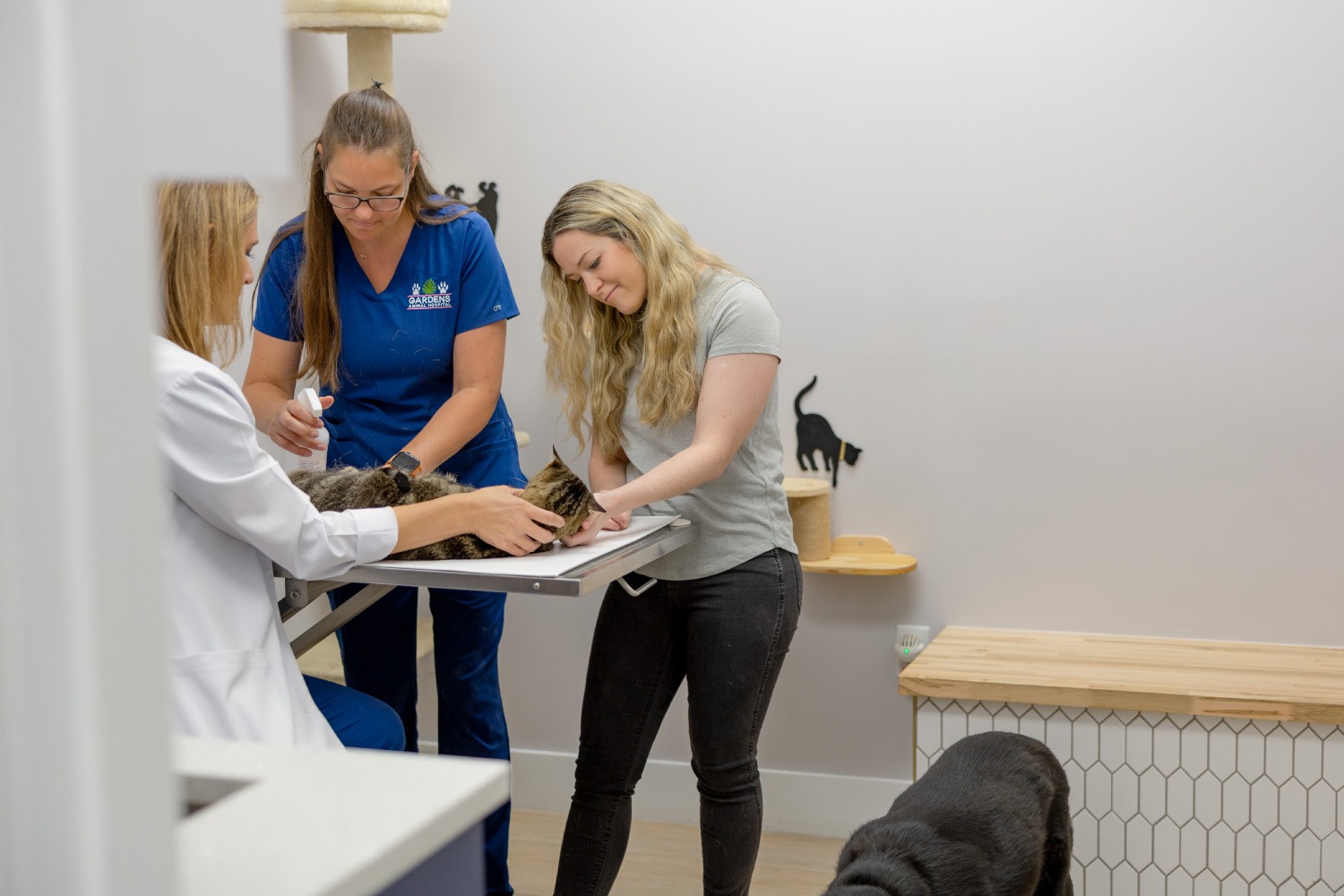

The critical socialization period in pets is one of the most important phases in a puppy or kitten’s life. During this short window, early experiences shape how your pet reacts to people, environments, and other animals for years to come.
Because of this, what your pet experiences—or doesn’t experience—can influence everything from confidence to fear, and even long-term health.
Let’s break down why this period matters and how you can make the most of it.
What Is the Critical Socialization Period in Pets?
The critical socialization period refers to a developmental stage when young animals are especially receptive to learning about their environment.
When does it occur?
- Puppies: ~3 to 14 weeks of age
- Kittens: ~2 to 9 weeks of age
During this time, the brain rapidly develops connections. As a result, positive exposure builds confidence, while negative—or absent—experiences can lead to fear.
Real-world example
A puppy gently introduced to different people, sounds, and surfaces is far more likely to remain calm in new situations later in life.
Why Does Early Socialization Matter So Much?
Early experiences don’t just influence behavior—they shape how pets handle stress and unfamiliar situations.

Key benefits of proper socialization
- Reduces fear and anxiety
- Prevents aggression
- Encourages adaptability
- Builds confidence in new environments
In fact, the American Veterinary Society of Animal Behavior states that behavioral issues—not infectious diseases—are the leading cause of death in dogs under 3 years of age.
Additional context
This highlights a critical point: preventing fear-based behavior early can be just as important as preventing disease.
What Happens If Pets Miss This Window?
If a pet lacks positive exposure during this period, they may become fearful or reactive later.
Common consequences
- Fear of strangers or other animals
- Noise sensitivity (thunder, fireworks)
- Difficulty with vet visits or grooming
- Increased risk of aggression
Real-world example
A kitten that never interacts with humans during early weeks may remain shy or avoidant even with loving care later.
How Can You Safely Socialize Your Pet?
While socialization is crucial, it must be done safely and gradually, especially before vaccinations are complete.

Safe socialization checklist
- Introduce new people – Different ages, appearances, and voices
- Expose to everyday sounds – Vacuums, doorbells, traffic
- Explore different surfaces – Grass, tile, carpet, concrete
- Handle gently and frequently – Paws, ears, mouth
- Use positive reinforcement – Treats, praise, toys
Additional context
Short, positive sessions work best. Avoid overwhelming your pet with too much at once.
Real-world example
Let your puppy observe a busy park from a safe distance before gradually moving closer over multiple visits.
What About Vaccines and Safety Concerns?
Many pet owners worry about disease exposure before vaccinations are complete—and rightly so.
However, controlled socialization is still recommended.
Best practices
- Avoid high-risk areas (dog parks, unknown animals)
- Stick to vaccinated pets and clean environments
- Attend supervised puppy or kitten classes
- Carry your pet in public spaces if needed
Expert insight
The American Animal Hospital Association supports early, safe socialization alongside vaccination protocols.
Are There Fear Periods You Should Know About?
Yes—especially in puppies.
What is a fear period?
A temporary developmental stage when pets become more sensitive to new experiences.
When does it happen?
- Around 8–10 weeks
- Again during adolescence
How to handle it
- Stay calm and patient
- Avoid forcing interactions
- Pair new experiences with rewards
Real-world example
If your puppy suddenly becomes wary of strangers, allow them to approach at their own pace rather than forcing contact.
When Should You See a Veterinarian?
Sometimes, behavioral concerns need professional support.

Seek veterinary guidance if you notice:
- Persistent fear or anxiety
- Aggression toward people or animals
- Extreme reactions to normal stimuli
- Regression in behavior
Early intervention can prevent long-term issues and improve quality of life.
Simple At-Home Socialization Plan
Here’s a practical weekly approach:
Week-by-week exposure ideas:
- Week 1: Household sounds and handling
- Week 2: New people and gentle play
- Week 3: Car rides and new environments
- Week 4: Controlled animal introductions
Keep sessions:
- Short (5–10 minutes)
- Positive
- Consistent
FAQ Frequently Asked Questions
What is the most important age for socializing a puppy?
The most critical window is between 3 and 14 weeks, when puppies are most open to new experiences.
Can you socialize a pet after the critical period?
Yes, but it takes more time and patience. Early socialization is easier and more effective.
Is it safe to socialize my puppy before vaccinations are complete?
Yes, with precautions. Stick to controlled environments and vaccinated animals.
How do I know if my pet is overwhelmed?
Signs include trembling, hiding, growling, or trying to escape. If you notice these, reduce intensity and try again later.
Do kittens need socialization too?
Absolutely. Kittens benefit from early exposure to people, handling, and environments just as much as puppies do.
Gardens Animal Hospital Experience & Expertise
At Gardens Animal Hospital, our veterinary team understands how critical early development is for lifelong health and behavior. We guide pet owners through safe socialization practices, ensuring puppies and kittens gain positive experiences without unnecessary risk.
From first wellness exams to personalized behavior guidance, we take a proactive approach. Our compassionate team works closely with you to identify early signs of fear or anxiety and provide tailored solutions that build confidence and trust.
By combining medical expertise with behavioral insight, we help set your pet up for a happy, well-adjusted life.
Sources
AVSAB Position Statement on Puppy Socialization (https://avsab.org/resources/position-statements/)
Puppy Socialization Guidelines – AAHA (https://www.aaha.org/)
Early Development & Behavior in Kittens – ASPCA (https://www.aspca.org/)
Dog Behavior and Training – American Veterinary Medical Association (https://www.avma.org/)