

Pet dental disease often flies under the radar—but it shouldn’t. In fact, pet dental disease is one of the most common health issues veterinarians see, and it can quietly affect your pet’s heart, kidneys, and overall quality of life. The good news? With awareness and routine care, it’s highly preventable. Book your pet dental appointment.
This post is part of Gardens Animal Hospital’s blog collection:
🩺 Pet Health & Preventive Care Series
- Why Annual Wellness Exams Matter More Than You Think
- Senior Pet Care: What Changes as Pets Age?
- How Does Pet Weight and Health Affect Your Furry Family Member?
- Dental Disease in Pets: The Silent Health Threat
- Parasites 101: Fleas, Ticks, and Heartworm Prevention Made Simple
- Early Warning Signs of Illness Pet Owners Should Never Ignore
What Is Dental Disease in Pets—and Why Is It So Common?
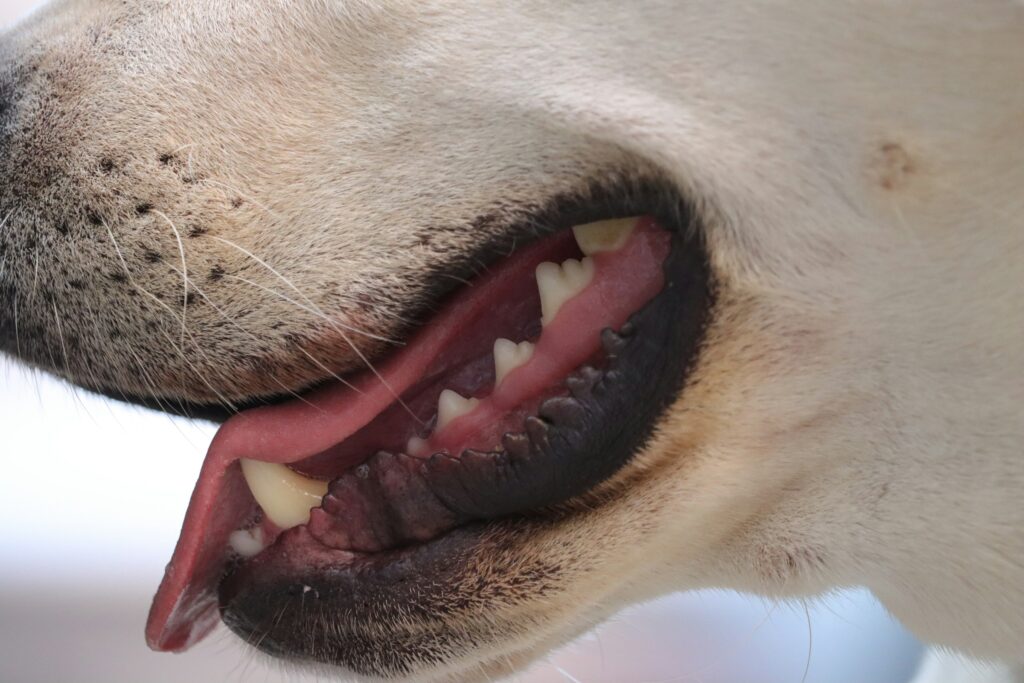
Dental disease in pets refers to a buildup of plaque and tartar that leads to inflamed gums, infection, and tooth damage. It usually starts subtly, which is why so many pets live with it longer than they should.
As plaque hardens into tartar, bacteria slip below the gumline. From there, infection can spread through the bloodstream to vital organs. According to the American Veterinary Medical Association, over 80% of dogs and 70% of cats show signs of dental disease by age three, making it a near-universal issue without preventive care.
For example, a dog with “just bad breath” may actually have painful gum inflammation and loose teeth—problems that won’t resolve on their own.
How Can Dental Disease Affect Your Pet’s Overall Health?
Dental disease doesn’t stay in the mouth. Instead, it can trigger widespread health problems when bacteria enter the bloodstream.
Common complications include:
- Heart disease caused by bacterial spread
- Kidney and liver strain
- Chronic pain that affects appetite and behavior
- Tooth loss and jaw infections
For instance, an older cat with untreated dental disease may stop eating dry food—not due to pickiness, but because chewing hurts.
What Are the Early Signs of Pet Dental Disease?
Because pets instinctively hide pain, dental disease often progresses before owners notice. That’s why knowing the early signs matters.
Watch for:
- Bad breath that doesn’t improve
- Red, swollen, or bleeding gums
- Yellow or brown buildup on teeth
- Dropping food or chewing on one side
- Pawing at the mouth or facial swelling
As an example, a playful dog that suddenly avoids chew toys may be signaling oral discomfort.
How Can You Prevent Dental Disease in Pets?
Prevention works best when it’s consistent and layered. Daily habits combined with professional care offer the strongest protection.
Effective prevention includes:
- Regular dental exams during wellness visits
- Professional dental cleanings under anesthesia when recommended
- At-home care, such as:
- Pet-safe toothpaste and brushing
- Dental chews approved by the VOHC
- Dental diets designed to reduce plaque
For example, brushing your dog’s teeth just a few times a week can significantly slow plaque buildup over time.
When Should My Pet Have a Dental Cleaning?
Most pets benefit from professional dental cleanings starting in early adulthood, but timing depends on breed, size, and genetics. Small dogs and cats often need cleanings sooner because their teeth crowd more easily.
A veterinarian may recommend a cleaning if X-rays show bone loss or if gum disease appears during an exam—even if your pet seems fine at home.
Why Trust Gardens Animal Hospital With Your Pet’s Dental Care?
At Gardens Animal Hospital, dental care isn’t an afterthought—it’s a core part of whole-pet wellness. Our experienced veterinary team has served the Palm Beach Gardens community for decades, combining modern diagnostic tools with compassionate, individualized care.
We use:
- Advanced dental imaging to detect hidden problems
- Comprehensive anesthetic monitoring for safety
- Personalized prevention plans tailored to your pet’s needs
Most importantly, we take the time to educate pet owners, because informed care leads to healthier, happier pets. When it comes to protecting your pet from the silent threat of dental disease, you can trust our expertise, experience, and commitment to excellence.

Sources
Veterinary Oral Health Council Accepted Products (https://vohc.org/accepted-products/)
Pet Dental Care (https://www.avma.org/resources-tools/pet-owners/petcare/pet-dental-care)