
If your cat suddenly seems hungrier than usual but continues losing weight, you might wonder what’s going on. One common cause of this puzzling combination is feline hyperthyroidism, a hormonal condition that affects many middle-aged and senior cats.
Although the condition can sound serious, early diagnosis and treatment often allow cats to live long, comfortable lives. Understanding the symptoms and knowing when to visit your veterinarian can make all the difference.
What Is Feline Hyperthyroidism?
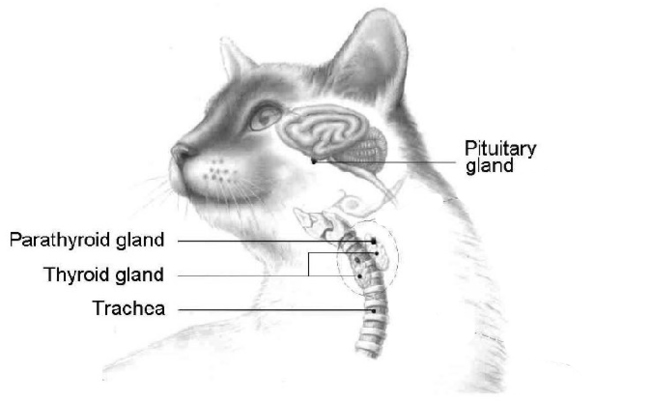
Feline hyperthyroidism occurs when the thyroid glands produce too much thyroid hormone.
These small glands sit in the neck and control metabolism. When they become overactive, your cat’s body essentially runs in overdrive.
Why does this happen?
In most cases, the thyroid gland develops a benign growth called an adenoma. This growth produces excess hormones, which accelerate the body’s metabolic processes.
As a result, affected cats burn calories rapidly and often experience a wide range of symptoms.
For example, a normally relaxed senior cat may suddenly become restless, constantly hungry, and noticeably thinner.
What Are the Symptoms of Hyperthyroidism in Cats?
Many symptoms appear gradually, which means they can easily go unnoticed at first.
However, several classic warning signs tend to appear together.
Common symptoms include:
- Weight loss despite a strong appetite
- Increased thirst and urination
- Hyperactivity or restlessness
- Vomiting or diarrhea
- Poor or unkempt coat
- Increased vocalization
- Rapid heart rate
Because these signs can overlap with other health problems, professional evaluation is important.
According to the American Association of Feline Practitioners, hyperthyroidism affects approximately 10% of cats over the age of 10.
For instance, a cat that eats twice as much as usual but continues losing weight should always be evaluated by a veterinarian.
Why Is My Cat Losing Weight but Still Eating?
This question is one of the most common searches pet owners make online.
When thyroid hormone levels rise too high, the body burns energy faster than normal. Even though your cat eats more food, the body uses those calories quickly.
As a result:
- Metabolism accelerates
- Calories burn rapidly
- Weight drops despite increased appetite
This metabolic imbalance explains why hyperthyroid cats often appear thin yet constantly hungry.
How Do Veterinarians Diagnose Feline Hyperthyroidism?
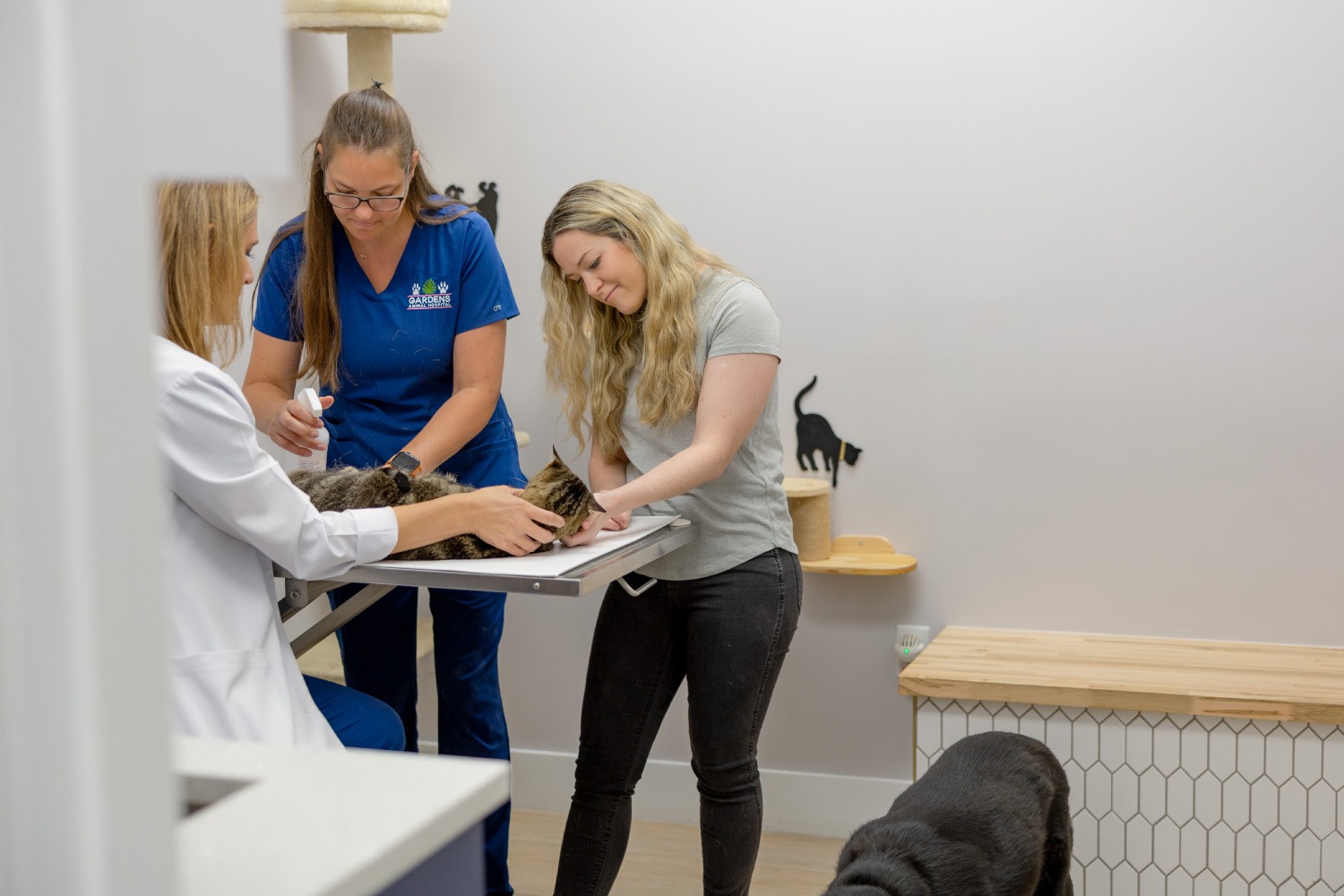
Diagnosis usually involves a combination of physical examination and laboratory testing.
Veterinarians often detect the condition by feeling an enlarged thyroid gland in the neck, sometimes called a “thyroid slip.”
Diagnostic steps typically include:
- Physical examination
- Blood testing to measure thyroid hormone (T4) levels
- Additional blood work to evaluate organ health
- Occasionally imaging or specialized tests
Blood testing provides the most definitive confirmation.
For example, a cat showing weight loss and increased appetite may have bloodwork that reveals elevated T4 levels, confirming hyperthyroidism.
What Treatment Options Are Available?
Fortunately, several effective treatments exist.
Your veterinarian will recommend the best option based on your cat’s age, overall health, and lifestyle.
1. Oral Medication
Medications such as methimazole help control hormone production.
Pros:
- Non-invasive
- Relatively affordable
- Good for managing symptoms
Cons:
- Requires lifelong daily medication
- Periodic blood monitoring needed
Many owners choose this option when surgery or advanced treatments are not practical.
2. Radioactive Iodine Therapy
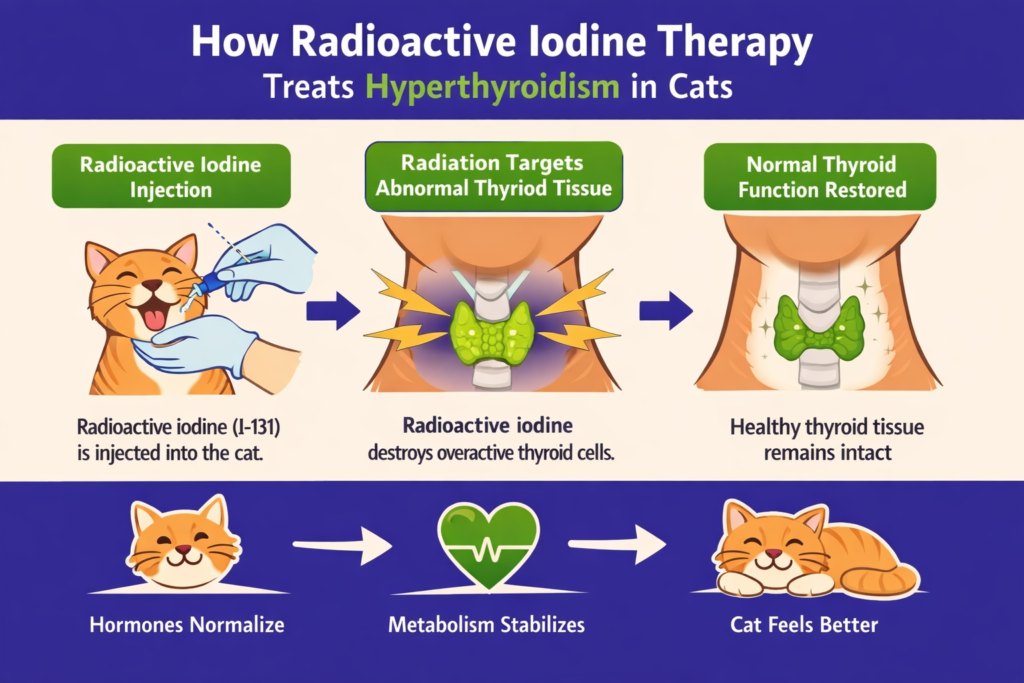
This treatment is often considered the gold standard for curing hyperthyroidism.
A single injection of radioactive iodine destroys abnormal thyroid cells while leaving healthy tissue intact.
Benefits include:
- High success rate
- Usually permanent cure
- No daily medication afterward
However, treatment requires specialized veterinary facilities.
3. Surgical Thyroid Removal
Veterinary surgeons can remove the affected thyroid gland.
While surgery can be effective, it carries typical surgical risks and may not be ideal for older cats with other medical conditions.
4. Prescription Diet Therapy
Some cats respond well to diets that restrict iodine, which the thyroid needs to produce hormones.
However, the diet must be fed exclusively, meaning no treats or additional foods.
What Happens If Hyperthyroidism Goes Untreated?
Without treatment, hyperthyroidism can place severe stress on the body.
Over time, the condition may lead to:
- Heart disease
- High blood pressure
- Kidney complications
- Muscle loss
- Behavioral changes
Eventually, these complications can shorten a cat’s lifespan.
However, with proper treatment and monitoring, many cats live many happy years after diagnosis.
When Should You Take Your Cat to the Vet?
You should schedule a veterinary visit if you notice:
- Unexplained weight loss
- Increased appetite
- Behavioral changes
- Frequent vomiting
- Excessive thirst or urination
Senior cats especially benefit from annual or semi-annual bloodwork, which can detect hyperthyroidism before symptoms become severe.
Early detection allows treatment to begin sooner and improves long-term outcomes.
FAQ Section
What age do cats usually develop hyperthyroidism?
Most cases occur in cats older than 8–10 years, making it one of the most common endocrine diseases in senior cats.
Can hyperthyroidism in cats be cured?
Yes. Radioactive iodine therapy often provides a permanent cure by eliminating abnormal thyroid tissue.
Is hyperthyroidism painful for cats?
The condition itself is not usually painful, but it can cause discomfort, anxiety, and serious health complications if left untreated.
How long can cats live with hyperthyroidism?
With proper treatment, many cats live several years after diagnosis, often with an excellent quality of life.
How much does treatment for hyperthyroidism cost?
Costs vary depending on the treatment type. Medication is typically the most affordable ongoing option, while radioactive iodine therapy has a higher upfront cost but may cure the disease.
How Gardens Animal Hospital Helps Cats with Hyperthyroidism
At Gardens Animal Hospital, our veterinary team has extensive experience diagnosing and managing endocrine conditions like feline hyperthyroidism.
We begin with a thorough physical examination and diagnostic testing, including advanced blood work to evaluate thyroid hormone levels and overall health. From there, we create a personalized treatment plan tailored to your cat’s age, lifestyle, and medical needs.
Whether your pet needs medical management, specialized diagnostics, or ongoing monitoring, our team focuses on compassionate care and clear communication. Our goal is simple: help your cat live a healthier, happier life for years to come.
If you notice symptoms such as unexplained weight loss or increased appetite, scheduling an evaluation can help us catch potential issues early.
Sources
Hyperthyroidism in Cats (https://veterinarypartner.vin.com/default.aspx?pid=19239&id=4951391)
Feline Hyperthyroidism (https://www.avma.org/resources/pet-owners/petcare/hyperthyroidism-cats)
Hyperthyroidism in Cats (https://vcahospitals.com/know-your-pet/hyperthyroidism-in-cats)
Hyperthyroidism Guidelines (https://catvets.com/guidelines/practice-guidelines/hyperthyroidism)