

Sharing food is one of the easiest ways to show love—but when it comes to pets, not every snack is a smart choice. Healthy treats for dogs and cats can support nutrition, training, and bonding. However, harmful snacks can cause indigestion, weight gain, or even serious toxicity. So how do you tell the difference? Let’s break it down in a way that’s simple, practical, and pet-approved.
This post is part of a Gardens Animal Hospital blog series:
🐾 Nutrition & Daily Care
- How to Choose the Right Food for Your Pet’s Life Stage
- Healthy Treats vs. Harmful Snacks: What’s Safe to Share
- Hydration in Pets: How Much Water Is Enough?
- Pet Supplements for Pets: What Works and What Doesn’t
What Makes a Treat “Healthy” for Pets?
A healthy treat supports your pet’s body instead of working against it.
Healthy treats for dogs and cats contain safe ingredients, limited calories, and real nutritional value. They complement a balanced diet rather than replace it. Most importantly, they avoid toxins and excess fat, sugar, or salt.
For example, a few bites of cooked lean meat can offer protein without additives, while crunchy vegetables can add fiber and enrichment.
Examples of healthy treats for dogs and cats include:
- Plain, cooked chicken or turkey (no seasoning)
- Carrots or green beans
- Apple slices (no seeds)
- Commercial treats approved by your veterinarian
Why Can Human Snacks Be Harmful to Pets?
Many human foods affect pets very differently than people.
Dogs and cats metabolize food in unique ways, so ingredients that seem harmless to us can trigger serious reactions in them. Even small amounts can cause symptoms ranging from vomiting to organ failure.
For instance, chocolate contains theobromine, which dogs cannot process efficiently. According to the ASPCA Animal Poison Control Center, chocolate exposure remains one of the most common causes of pet poisoning every year.
Common risks linked to human snacks include:
- Toxic ingredients
- High fat leading to pancreatitis
- Excess calories contributing to obesity
As a result, even “just a bite” can add up quickly.
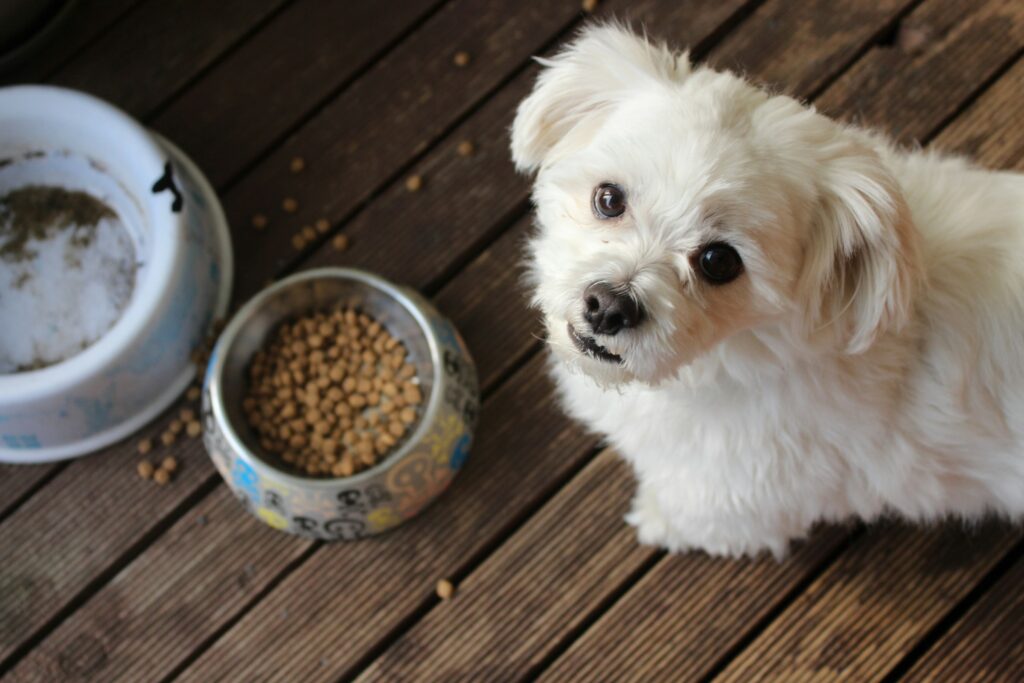
Which Foods Are Safe to Share with Dogs?
Some people foods can be safe—when prepared correctly and given in moderation.
Safe foods for dogs provide simple nutrients without added oils, spices, or sweeteners. Preparation matters just as much as the ingredient itself.
Dog-safe snack options include:
- Plain pumpkin (great for digestion)
- Blueberries (antioxidant boost)
- Cooked eggs (excellent protein source)
For example, offering a few blueberries as a training reward delivers flavor and nutrition without excess calories.
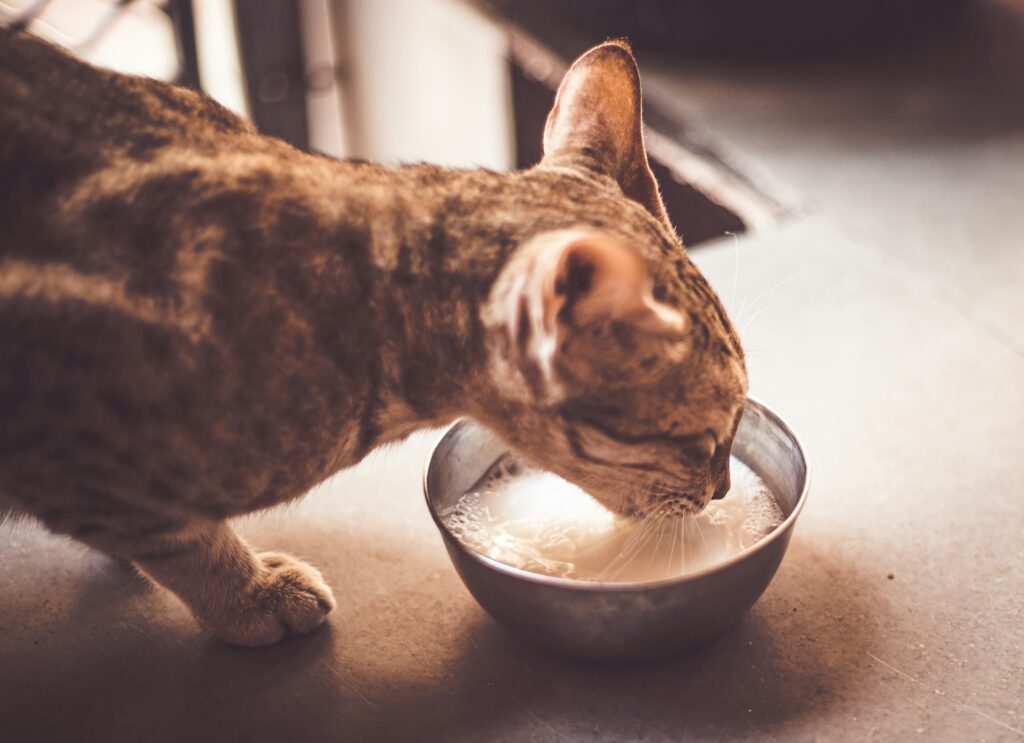
Which Foods Are Safe to Share with Cats?
Cats have stricter dietary needs than dogs.
Because cats are obligate carnivores, they benefit most from animal-based proteins. Plant foods rarely add value and sometimes cause digestive upset.
Cat-safe snack options include:
- Cooked salmon or tuna (unseasoned)
- Small portions of cooked chicken
- Vet-approved commercial cat treats
For example, a teaspoon of cooked chicken can serve as a high-value reward without disrupting a cat’s nutritional balance.
Which Snacks Should Pets Never Eat?
Some foods should never be shared—no exceptions.
These items contain compounds that are toxic to pets or pose serious choking and digestive hazards.
Foods that are unsafe for both dogs and cats include:
- Chocolate
- Grapes and raisins
- Onions and garlic
- Xylitol (found in sugar-free gum and baked goods)
- Alcohol and caffeine
According to the ASPCA, ingestion of grapes or raisins can cause sudden kidney failure in dogs, even in small amounts.
How Often Should You Give Treats?
Moderation keeps treats fun and safe.
We recommend that treats make up no more than 10% of a pet’s daily caloric intake. Exceeding that limit increases the risk of obesity, which affects an estimated 59% of dogs and 61% of cats in the U.S., according to the Association for Pet Obesity Prevention.
For example, replacing frequent table scraps with low-calorie veggies can significantly reduce unnecessary weight gain over time.
How Can You Choose the Right Treat for Your Pet?
The best treat matches your pet’s age, size, and health needs.
Start by reading ingredient labels carefully. Then, consider any medical conditions, such as allergies or dental disease. When in doubt, your veterinarian can guide you toward safe, nutritious options.
For instance, senior pets often benefit from softer treats that support joint or dental health.
Why Trust Gardens Animal Hospital?
At Gardens Animal Hospital, pet nutrition is never one-size-fits-all. Our experienced veterinary team combines medical expertise with hands-on knowledge of real-world pet care. We stay current with veterinary research, toxicology guidelines, and nutritional standards so we can give clear, trustworthy advice you can actually use at home.
More importantly, we take the time to know your pet—not just their chart. Whether you have questions about treats, weight management, or food safety, you can trust our team to put your pet’s long-term health first. Book your appointment today.

Sources
- Animal Poison Control: Common Toxic Foods for Pets (https://www.aspca.org/pet-care/animal-poison-control/people-foods-avoid-feeding-your-pets)
- 2023 U.S. Pet Obesity Statistics (https://www.petobesityprevention.org/)