
Proper hydration in pets plays a major role in digestion, circulation, temperature control, and overall health. Yet many pet owners don’t know what’s normal—and what signals a problem. So let’s break it down in a simple, practical way you can use at home.
How Much Water Should My Pet Drink Each Day?
Daily water intake refers to the amount of fresh water your pet consumes within a 24-hour period to maintain normal body function.
On average, healthy dogs and cats drink about 1 ounce of water per pound of body weight per day. That means:
- A 10-pound cat → ~10 ounces daily
- A 25-pound dog → ~25 ounces daily
- A 60-pound dog → ~60 ounces daily
However, several factors can increase or decrease that number:
- Activity level
- Diet (dry kibble vs. wet food)
- Weather and humidity
- Age
- Health conditions
According to the American Kennel Club, this 1 ounce per pound guideline works well for most healthy dogs. Similarly, the American Veterinary Medical Association notes that hydration supports kidney function, nutrient transport, and temperature regulation in both dogs and cats.
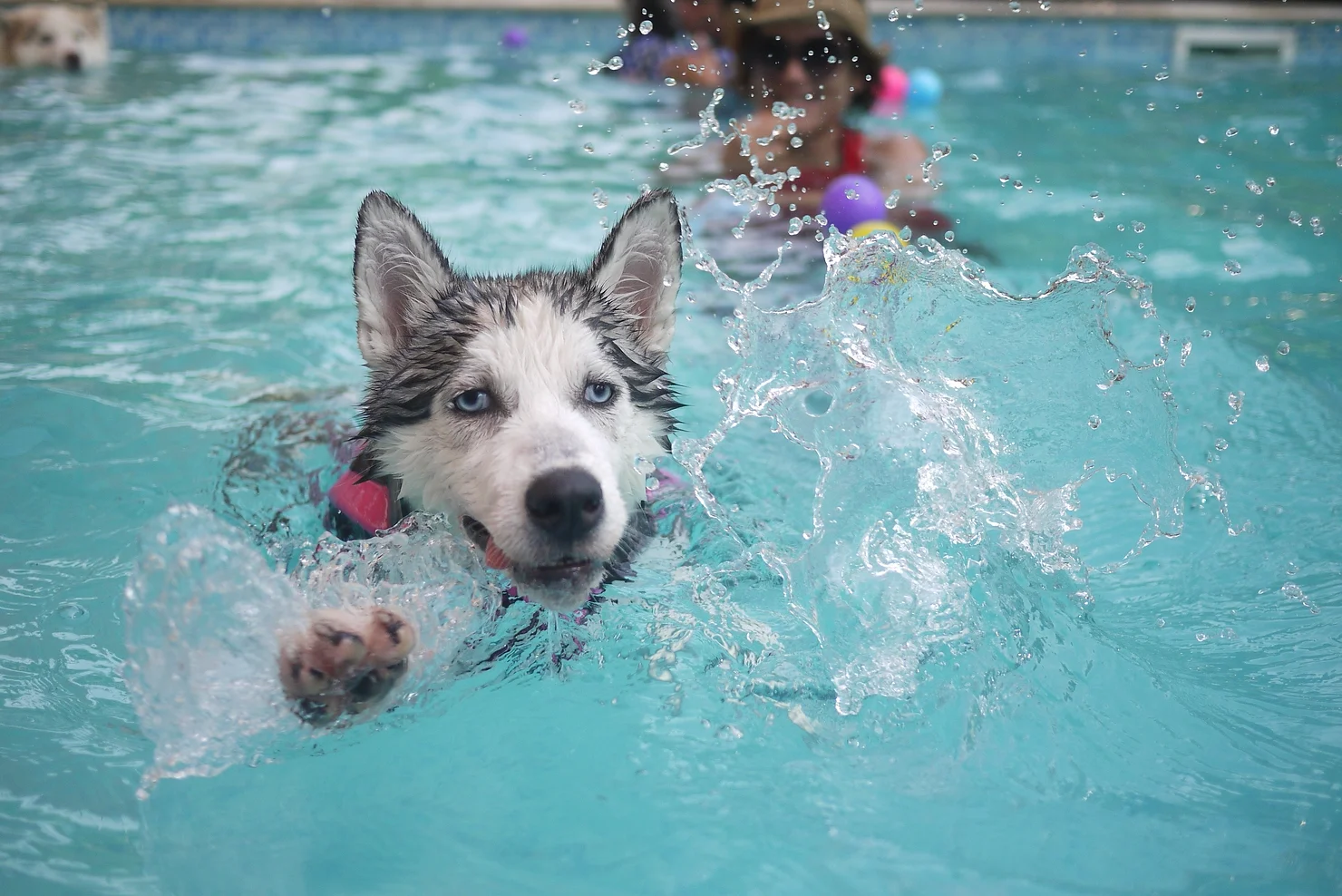
For example, if your 40-pound dog spends the afternoon playing fetch in the Florida heat, expect water intake to increase beyond the basic 40-ounce guideline.
Why Is Hydration So Important for Pets?
Hydration keeps your pet’s body systems functioning properly. Specifically, water helps:
- Regulate body temperature
- Lubricate joints
- Aid digestion and nutrient absorption
- Support kidney function
- Flush toxins from the body
In fact, pets can lose water quickly through panting, especially in warm climates like Palm Beach County. Even mild dehydration can lead to:
- Lethargy
- Dry gums
- Decreased skin elasticity
- Reduced appetite
Severe dehydration can become life-threatening if left untreated. A dog left outside on a hot afternoon without access to fresh water can become dehydrated in a matter of hours—especially in South Florida’s summer heat.
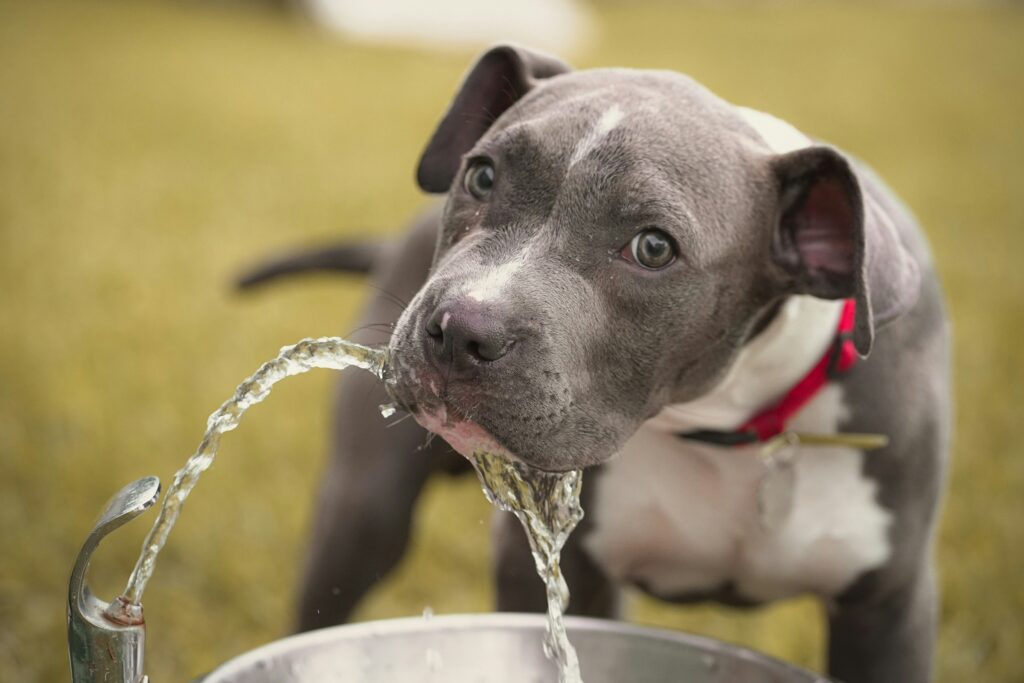
How Can You Tell If Your Pet Is Dehydrated?
Dehydration occurs when the body loses more fluids than it takes in.Specifically, you can watch for these signs:
- Sticky or dry gums
- Sunken eyes
- Loss of skin elasticity (the “skin tent” test)
- Lethargy
- Reduced urination
To perform the skin test:
- Gently lift the skin between your pet’s shoulders.
- Release it.
- If it snaps back quickly, hydration is likely adequate.
- If it returns slowly or stays tented, dehydration may be present.
Example: If your normally energetic Labrador suddenly seems sluggish and has tacky gums, it’s time to increase fluids and contact your veterinarian.
What Affects How Much Water Your Pet Needs?
Multiple lifestyle and health factors influence daily water requirements. Consider these common variables:
Diet
- Dry kibble contains about 10% moisture.
- Canned food may contain 70–80% moisture.
Therefore, pets eating dry food usually drink more water.
Activity Level
Active pets lose more fluids through panting and movement.
Weather
Hot, humid climates significantly increase fluid needs.
Medical Conditions
Certain illnesses increase thirst, including:
- Kidney disease
- Diabetes
- Cushing’s disease
According to the American Veterinary Medical Association, excessive thirst (polydipsia) often signals an underlying medical issue that requires evaluation. So if your senior cat suddenly empties the water bowl twice as fast as usual, schedule a veterinary exam.
How Can You Encourage Your Pet to Drink More Water?
Hydration support strategies help pets maintain healthy fluid intake. Try these practical tips:
- Refresh water bowls daily
- Wash bowls to remove bacteria and slime buildup
- Place multiple water stations around the house
- Add water or low-sodium broth to dry food
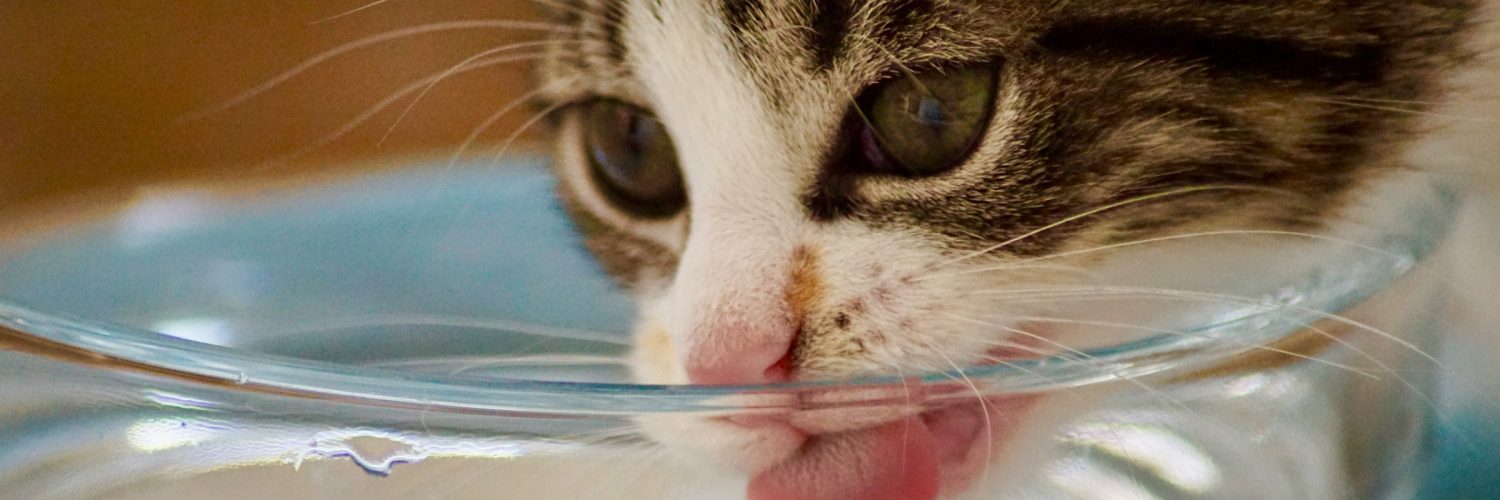
- Use a pet fountain (many cats prefer moving water)
- Bring portable water on walks
Example: Many cats increase their water intake immediately when switched to a fountain-style bowl.
When Should You Call the Vet?
Veterinary evaluation becomes necessary when water intake changes significantly or dehydration symptoms appear. Contact your veterinarian if you notice:
- Sudden excessive thirst
- Refusal to drink
- Vomiting or diarrhea
- Weakness or collapse
Early intervention prevents complications and protects kidney function. A dog with vomiting and diarrhea can become dangerously dehydrated within 24 hours, especially smaller breeds.
Experience You Can Trust at Gardens Animal Hospital
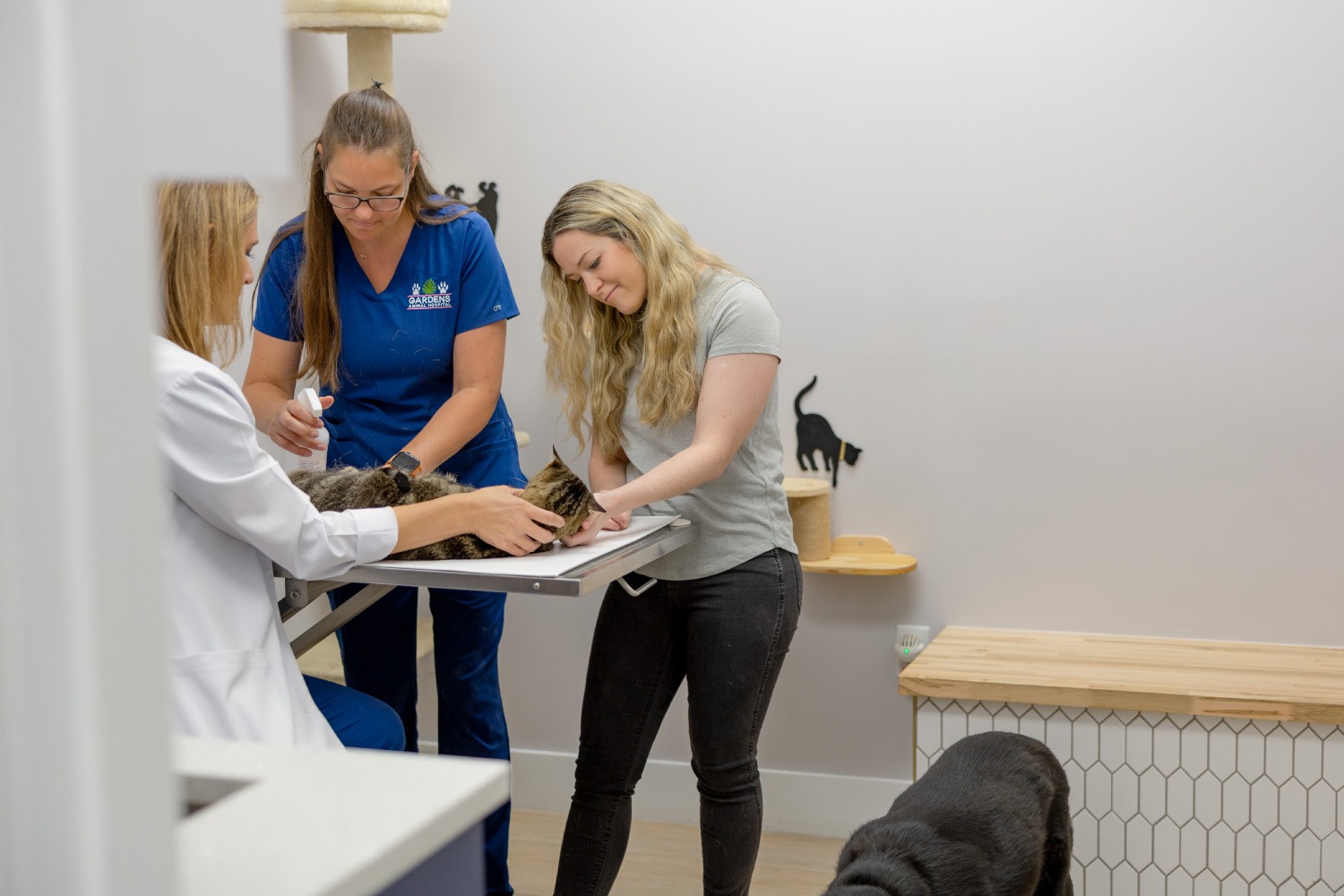
At Gardens Animal Hospital, our veterinary team combines decades of clinical experience with compassionate, individualized care. We understand the unique hydration challenges pets face in South Florida’s climate. We stay current with veterinary medicine to ensure accurate diagnosis and effective treatment. Pet owners throughout Palm Beach Gardens trust us because we prioritize clear communication, thorough exams, and proactive preventive care. When you have questions about your pet’s water intake—or any health concern—we’re here to help with expertise you can rely on.
If you’re unsure how much water your pet should drink or notice changes in their behavior, contact Gardens Animal Hospital today to schedule an appointment.
Sources
American Kennel Club – “How Much Water Should a Dog Drink?” (https://www.akc.org/expert-advice/health/how-much-water-should-a-dog-drink/)
American Veterinary Medical Association – “Pet Health Topics” (https://www.avma.org/resources-tools/pet-owners/petcare)