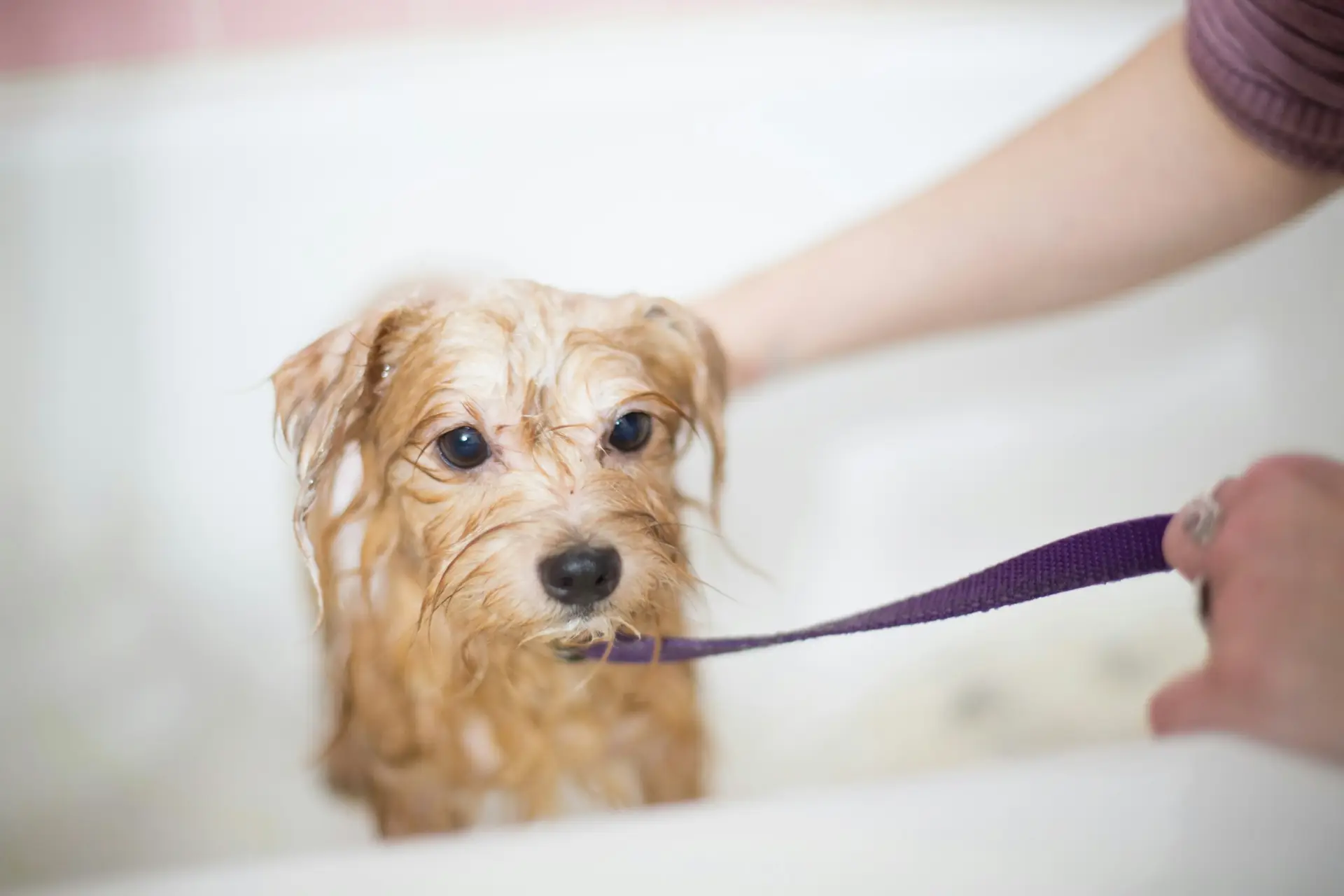


If you’ve ever looked at your pup and wondered, “How often should you bathe your dog?” —you’re not alone. Dogs roll, splash, wiggle, dig, and sometimes mysteriously end up smelling like a swamp… especially here in warm, humid Florida. But bathing your dog too often can be just as bad as not bathing them enough. So let’s break it down in a simple, dog-parent-friendly way.
☀️ Florida Humidity + Dogs = A Bathing Balancing Act
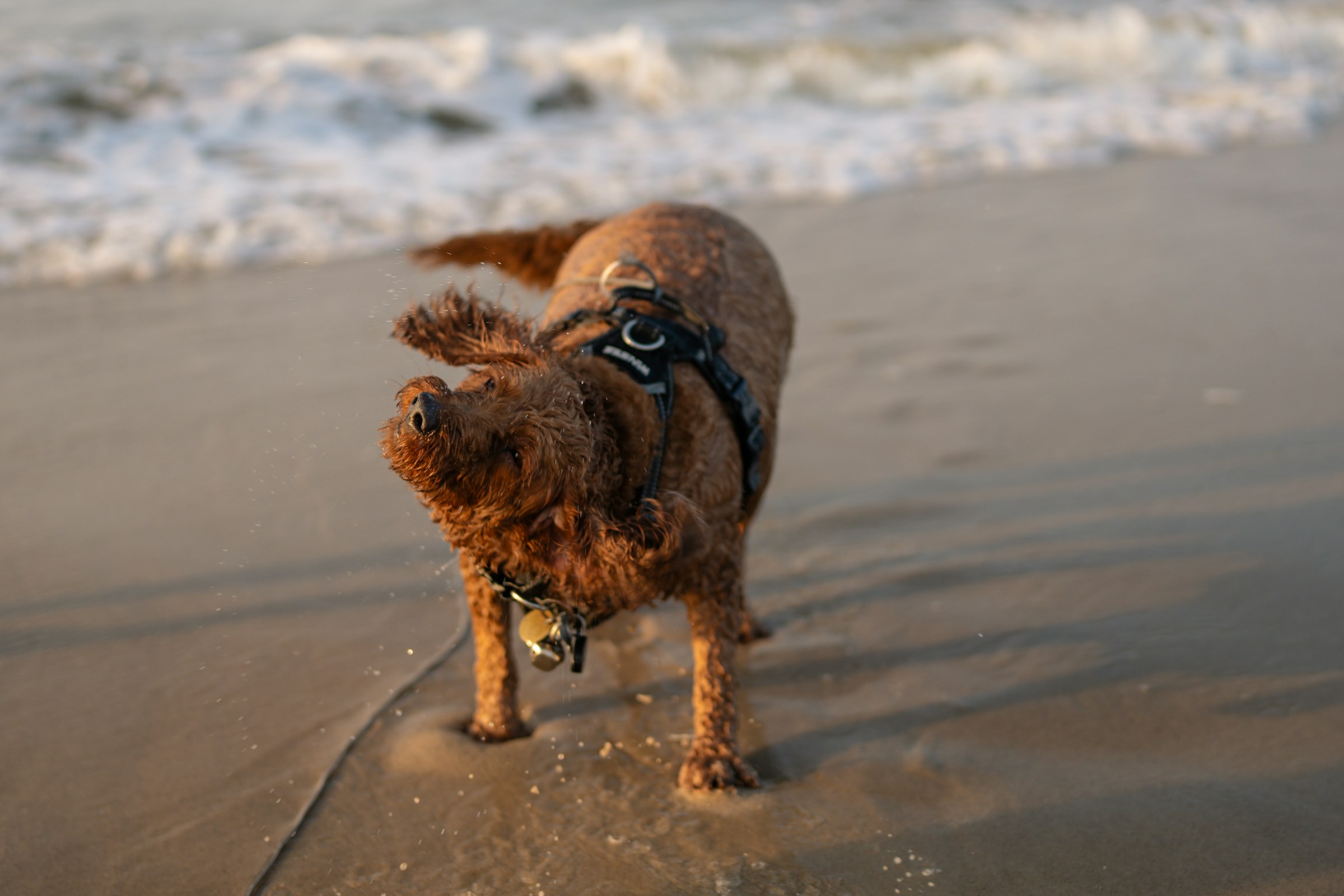
Our sunny climate is great for beach walks and backyard zoomies, but all that humidity can make odors stronger and skin issues flare up faster. Moisture gets trapped close to the skin, which can lead to irritation, hot spots, or yeast overgrowth if the coat isn’t clean and dry.
That’s why finding the right bath schedule matters—especially in South Florida.
🧼 How Often Should You Bathe Your Dog? The Simple Rule of Thumb
In general:
- Every 4–6 weeks for most dogs
- Every 2–4 weeks if your dog has allergies or tends to get a little “doggy”
- Every 6–12 weeks for certain coat types (like long double coats)
But the real answer depends on your dog’s size, coat, skin health, and lifestyle.
Let’s break it down by coat type so you can get the clearest answer.
🐕 Coat-Type Guide: How Often to Bathe Your Dog
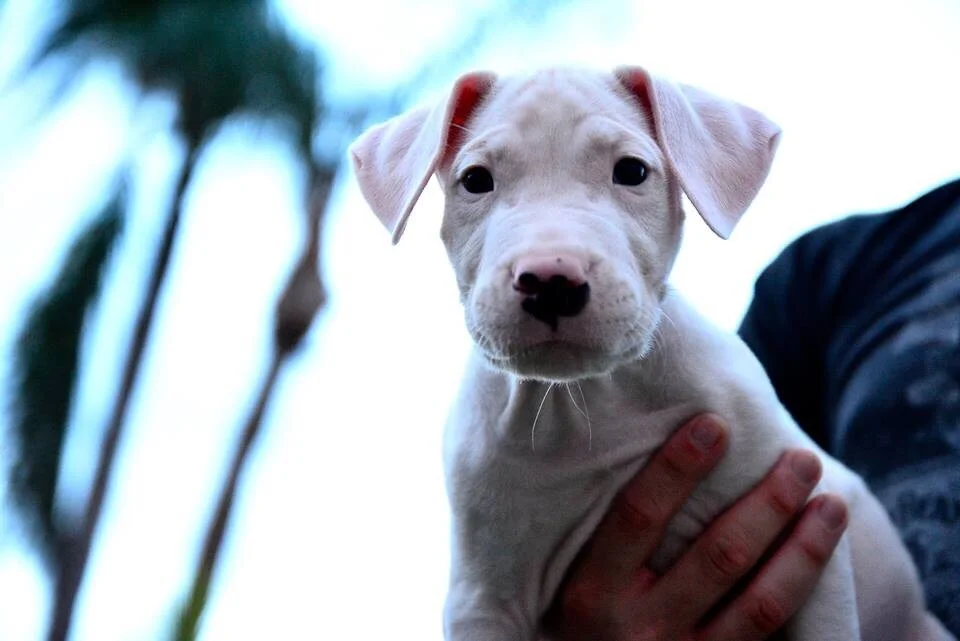
Short Coat (Beagles, Pit Bulls, Boxers)
These sleek pups usually only need a bath every 4–6 weeks.
They don’t trap much dirt, but humidity can make their natural oils smell stronger—so keep an eye (and nose!) out.
Double Coat (Labs, Huskies, Shepherds, Goldens)
These dogs do best with baths every 6–12 weeks.
Daily brushing matters more than frequent bathing. Over-bathing can strip their coat and affect its ability to regulate temperature—extra important in Florida heat.
Curly or Wavy Coats (Poodles, Doodles, Bichons)
Bath every 3–4 weeks, plus regular grooming.
Their coats trap dirt and moisture more easily. Bathing too infrequently can lead to tangles, mats, and funky “Florida frizz.”
Long Coats (Shih Tzus, Yorkies, Maltese)
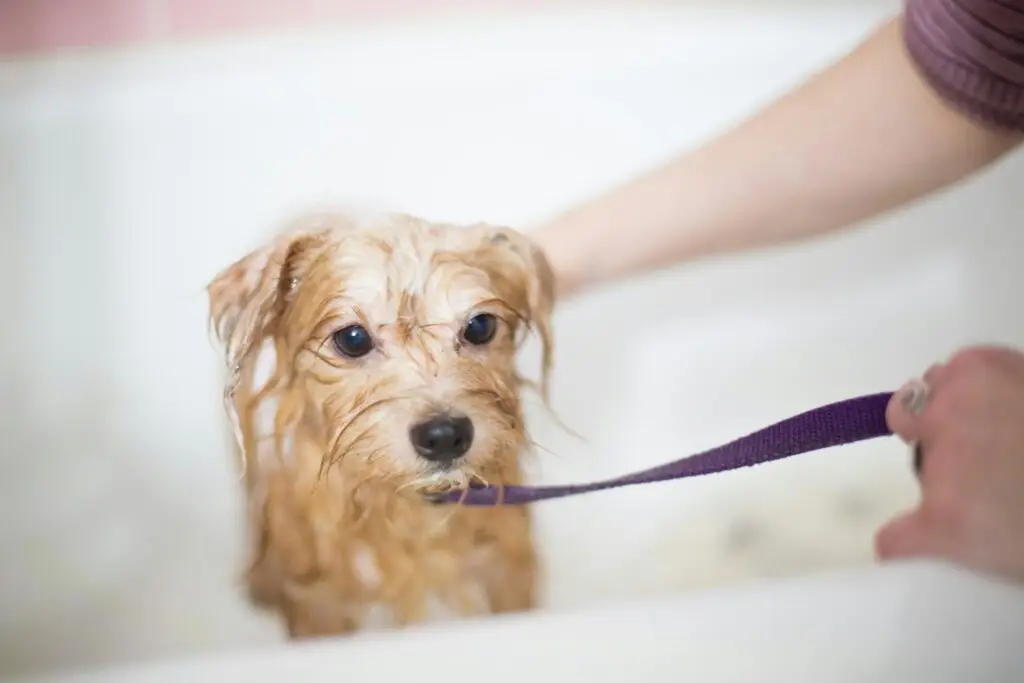
These little beauties need baths every 2–4 weeks.
Florida humidity + long hair = the perfect storm for tangles and trapped moisture.
Hairless Breeds (Xoloitzcuintli, Chinese Crested)
These pups often need weekly baths to keep their skin clean and protected.
🚿 When Not to Bathe Your Dog
Bath time isn’t always the answer. Skip the shampoo if:
- Your dog has irritated, red, or broken skin
Bathing can sting or worsen irritation. - You smell yeast or notice bumps or flakes
This may be a skin infection that needs vet care. - Your dog is shedding heavily
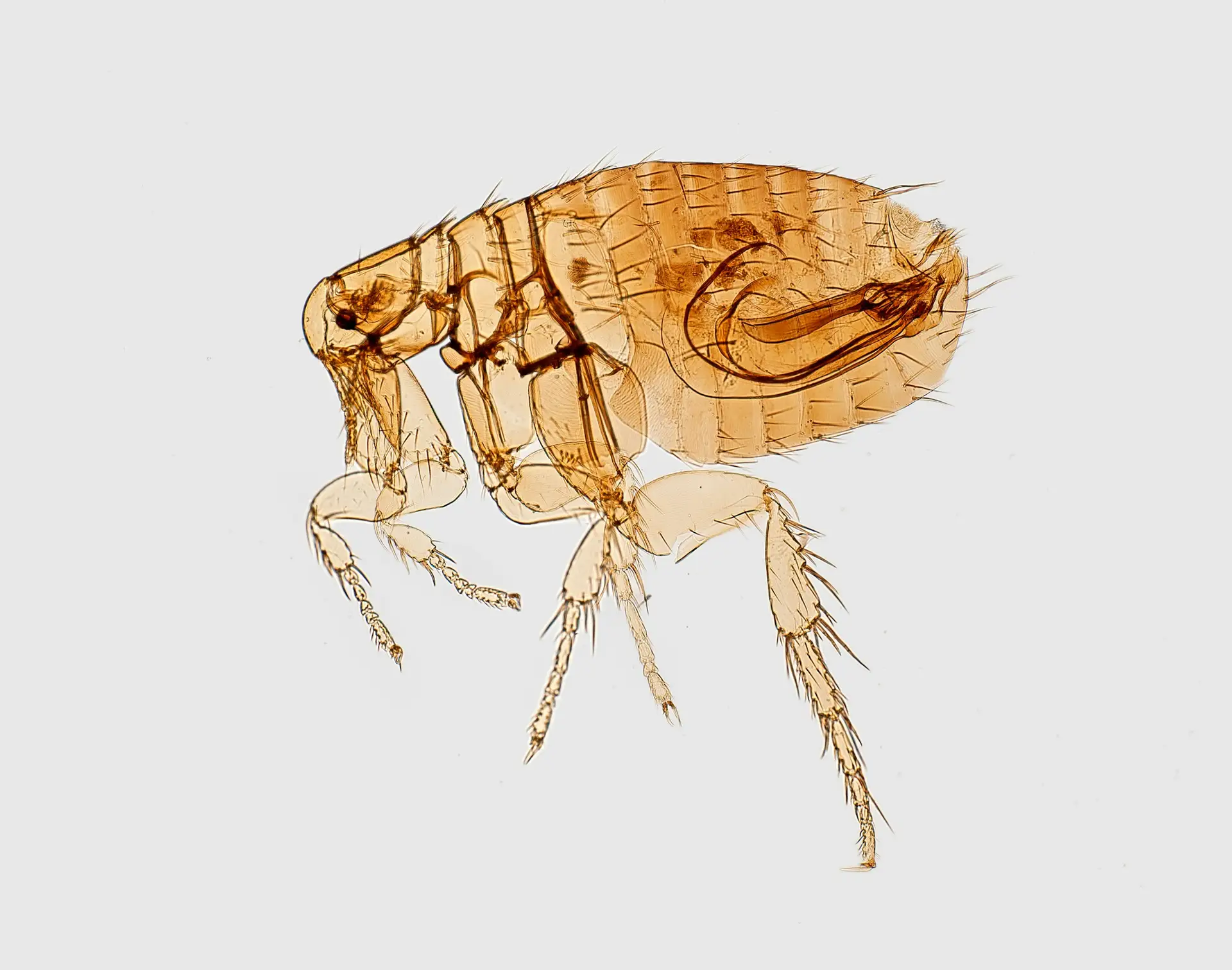
Brushing, not bathing, helps remove loose fur. - Your dog just had a topical flea or tick treatment
Most need 48 hours to fully absorb.
And of course, skip bathing if your dog just really hates water and the issue can be fixed with brushing, spot cleaning, or wipes.
🧴 What Kind of Shampoo Should You Use?
Stick to dog-specific, soap-free, and gentle formulas. Human shampoos (even baby ones) can throw off the pH of your dog’s skin.
If your dog has allergies, itchy skin, or chronic ear issues, we may recommend:
- oatmeal shampoo
- medicated shampoo (antifungal or antibacterial)
- sensitive-skin formulas
- prescription bathing routines if needed
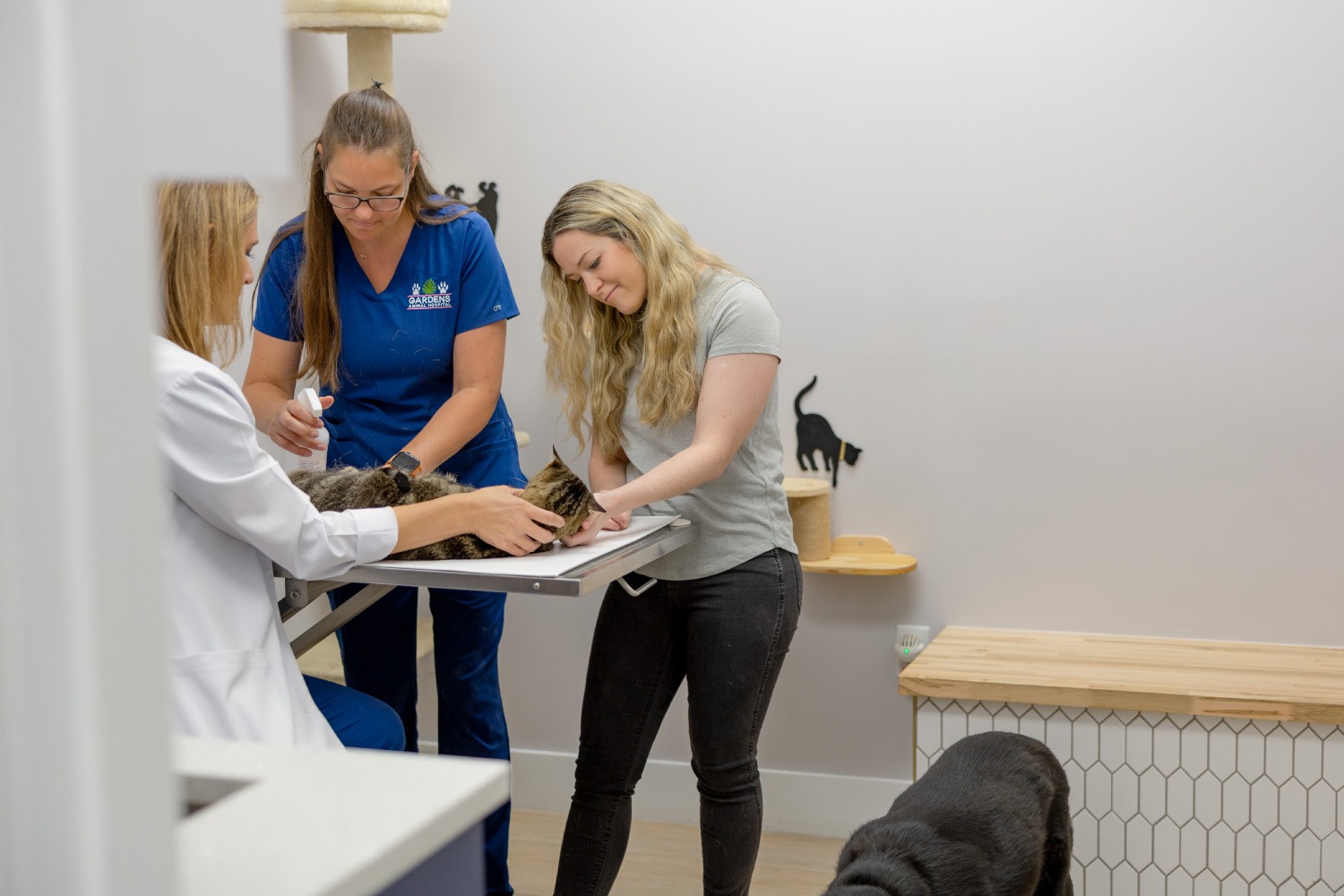
At Gardens Animal Hospital, our veterinarians can help you pick the perfect shampoo and bathing schedule for your dog’s skin and lifestyle.
🩺 How We Can Help
We don’t just love dogs—we specialize in keeping Florida dogs healthy, comfortable, and smelling fresh. From skin allergies to grooming guidance, our team helps you choose what’s best for your pup’s coat, climate, and lifestyle.
If you’re unsure how often you should bathe your dog, a quick check-in with us can give you a tailored plan (and save you from guesswork).
💭 Dog Bathing: Final Takeaway
Most dogs need a bath every 4–6 weeks, but Florida humidity, coat type, and skin health make a big difference. Too many baths can cause dry skin, itching, or irritation—so aim for “just enough,” and don’t hesitate to ask your vet for help.