

Parasites may be tiny, but they can cause big problems for pets. Parasite prevention for pets keeps dogs and cats protected from fleas, ticks, and heartworm disease year-round. Fortunately, prevention doesn’t have to feel complicated. With the right information—and the right plan—it’s simple, effective, and stress-free. Book an appointment at Gardens Animal Hospital today.
This post is part of Gardens Animal Hospital’s blog collection:
🩺 Pet Health & Preventive Care Series
- Why Annual Wellness Exams Matter More Than You Think
- Senior Pet Care: What Changes as Pets Age?
- How Does Pet Weight and Health Affect Your Furry Family Member?
- Dental Disease in Pets: The Silent Health Threat
- Parasites 101: Fleas, Ticks, and Heartworm Prevention Made Simple
- Early Warning Signs of Illness Pet Owners Should Never Ignore
What Are Fleas and Why Are They More Than Just Itchy?
Fleas are small parasites that feed on your pet’s blood, causing irritation and disease. Beyond itching, they can trigger allergic reactions and spread tapeworms. For example, a single flea can lay up to 50 eggs per day, which explains why infestations grow so quickly if left untreated.
Key flea facts:
- Thrive in warm, humid climates
- Cause flea allergy dermatitis
- Spread intestinal parasites
Why Are Ticks So Dangerous for Pets?
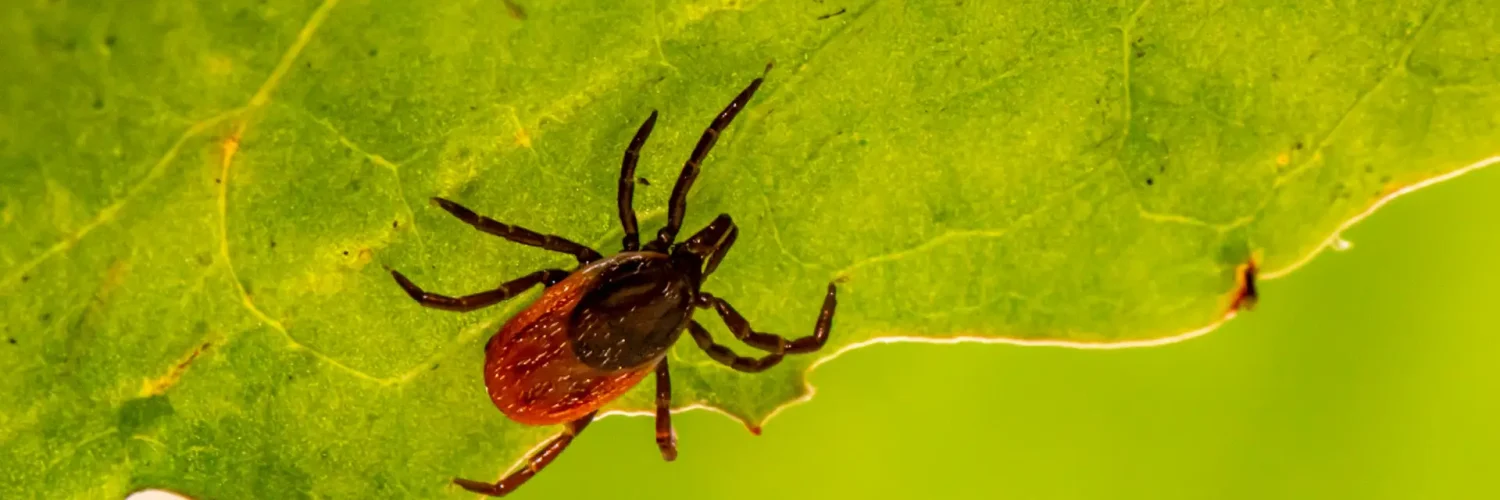
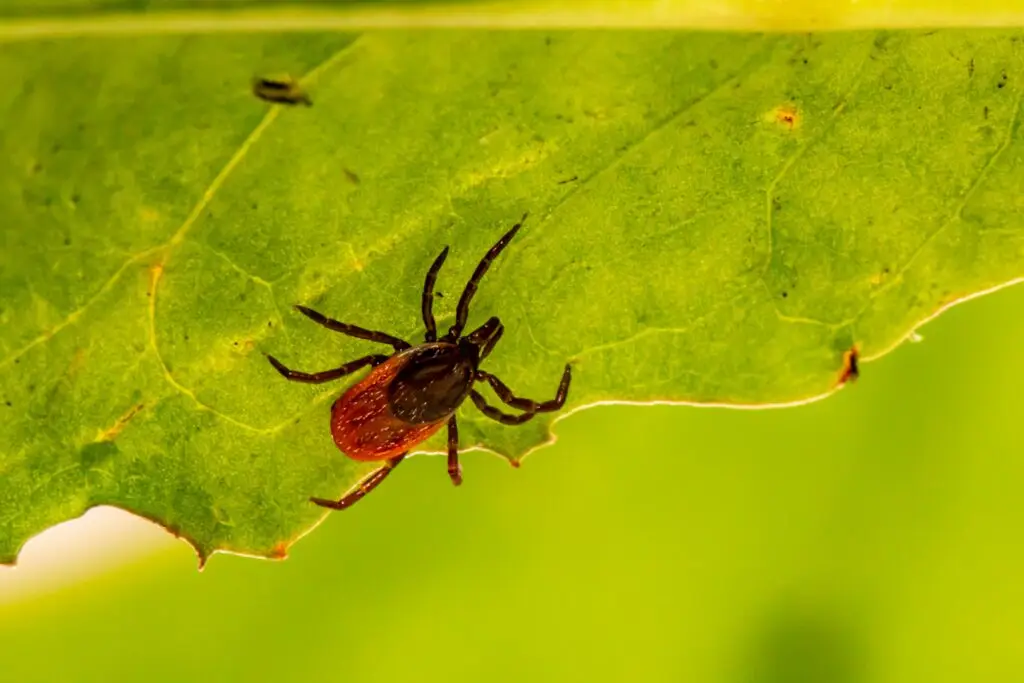
Ticks attach to pets and transmit serious diseases through their bite. These parasites often go unnoticed until symptoms appear. For instance, ticks can spread Lyme disease, which may lead to joint pain and lethargy weeks after exposure.
Common tick risks include:
- Lyme disease
- Ehrlichiosis
- Anaplasmosis
According to the CDC, reported tick-borne diseases have more than doubled in the U.S. over the past two decades (CDC, 2023).
What Is Heartworm Disease and How Do Pets Get It?
Heartworm disease spreads through mosquito bites and affects the heart and lungs. Once infected, treatment is costly and risky. For example, heartworms can grow up to 12 inches long and live inside a dog’s heart, leading to heart failure if untreated.
Important heartworm facts:
- Affects dogs, cats, and ferrets
- Exists in all 50 states
- Easier to prevent than treat
The American Heartworm Society reports that over 1 million dogs in the U.S. are currently infected.
How Does Parasite Prevention for Pets Work?
Parasite prevention uses monthly or annual medications to stop parasites before they cause harm. These products kill parasites at specific life stages. For example, monthly preventives can eliminate heartworm larvae before they mature.
Prevention options include:
- Monthly oral medications
- Topical treatments
- Long-acting injections
Your veterinarian helps match prevention to your pet’s lifestyle and risk level.
When Should My Pet Be on Parasite Prevention?
Pets should stay on parasite prevention year-round, even indoors. Fleas live inside homes, and mosquitoes survive mild winters. For example, indoor cats still face heartworm risk from mosquitoes that enter through doors or windows.
Pets at risk include:
- Indoor-only pets
- Puppies and kittens
- Senior pets
Consistency matters more than seasonality.
Why Trust Gardens Animal Hospital for Parasite Prevention?
At Gardens Animal Hospital, parasite prevention isn’t one-size-fits-all. Our experienced veterinary team stays current with the latest research and guidelines to protect pets in our local community. We’ve helped thousands of pets stay parasite-free through personalized care, modern diagnostics, and proven prevention protocols. Your pet’s health—and your peace of mind—always come first.