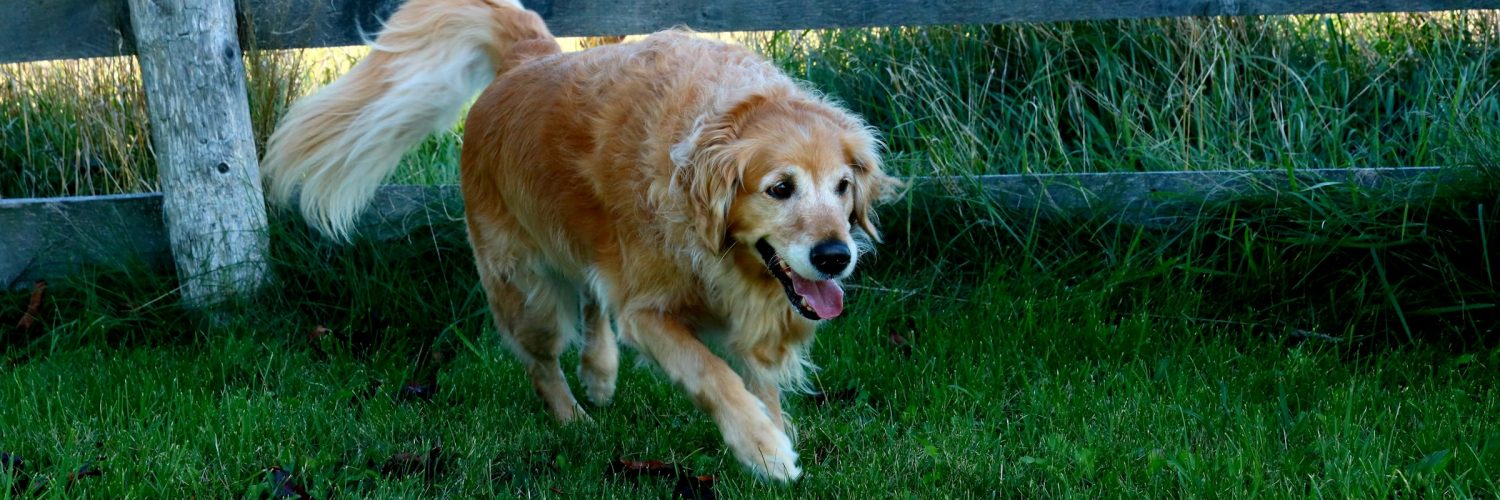
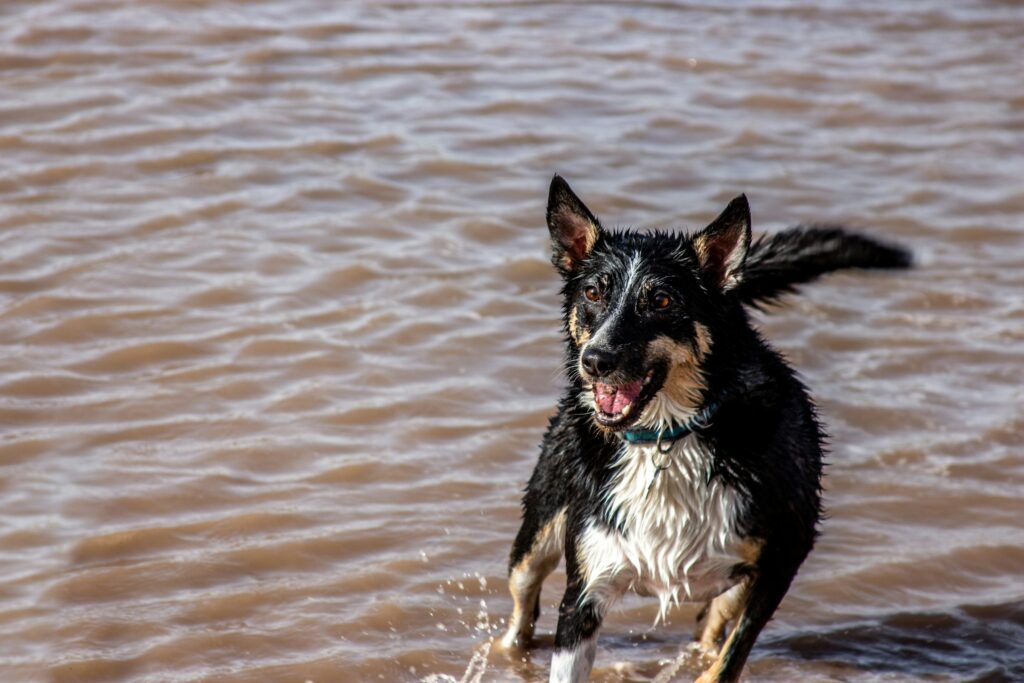
The Secret Life of Tails: What Your Pet’s Wag Really Means
Have you ever wondered what your pet is really saying with their tail? Understanding pet tail wagging meaning helps you read emotions more clearly and respond with confidence. While tail movement looks simple, it communicates excitement, fear, curiosity, and even stress—often faster than vocal cues.
Why Do Pets Use Their Tails to Communicate?
Pets use their tails as a visible emotional signal.
Tails evolved as balance tools and communication flags. Because tail muscles connect directly to the spine, movement often reflects a pet’s emotional state instantly. For example, a relaxed tail usually signals comfort, while stiff or rapid movement can signal tension or alertness.
Does a Wag Always Mean a Happy Pet?
No, tail wagging does not always equal happiness.
Tail motion shows emotional arousal, not mood alone. Dogs may wag when anxious, overstimulated, or unsure. For instance, a slow, stiff wag during a vet visit often signals uncertainty rather than joy—especially when paired with tense posture or wide eyes.
How Does Tail Height Change the Meaning?
Tail position adds important emotional context.
A high tail often signals confidence or alertness, while a low tail can indicate fear or submission. For example, a dog holding its tail low and wagging gently during introductions may feel unsure but non-threatening.
What Does the Speed of a Wag Tell You?
Wag speed reflects intensity.
Fast wags usually indicate high emotional energy, while slow wags suggest caution or focus. A rapid, loose wag when you grab a leash often signals excitement, while a slow, deliberate wag during training may show concentration rather than enthusiasm.
Do Dogs and Cats Wag Their Tails the Same Way?
No, cats and dogs use tail language differently.
Dogs wag to express social emotion, while cats often flick or lash their tails to signal irritation or overstimulation. For example, a cat with a rapidly twitching tail during petting often asks for space—even if they stay nearby.
Can Tail Direction Matter?
Yes, direction can signal emotional bias.
Research shows dogs wag more to the right when feeling positive and more to the left when stressed or uncertain. In one study, dogs reacted more cautiously to left-biased wags from other dogs (Quaranta et al., Current Biology, 2007).
What Other Signals Should You Watch Along with the Tail?
Tail signals work best with body language context.
Always observe multiple cues together, such as:
Ear position
Eye shape and contact
Body stiffness or looseness
Vocalization or silence
For example, a wagging tail plus relaxed shoulders usually signals comfort, while a wag with stiff legs suggests tension.
How Can Understanding Pet Tail Wagging Meaning Improve Care?
It helps prevent stress and miscommunication.
When owners understand pet tail wagging meaning, they respond faster to discomfort and avoid risky situations. For example, recognizing stress signals early can prevent bites, scratches, or anxiety-related behaviors during grooming or vet visits.
Trusted Care Backed by Experience at Gardens Animal Hospital
At Gardens Animal Hospital, our veterinary team brings years of hands-on clinical experience and a deep understanding of animal behavior to every visit. We combine evidence-based medicine with compassionate care, helping pet owners interpret subtle signals—like tail language—so pets stay healthier, calmer, and safer throughout every stage of life.